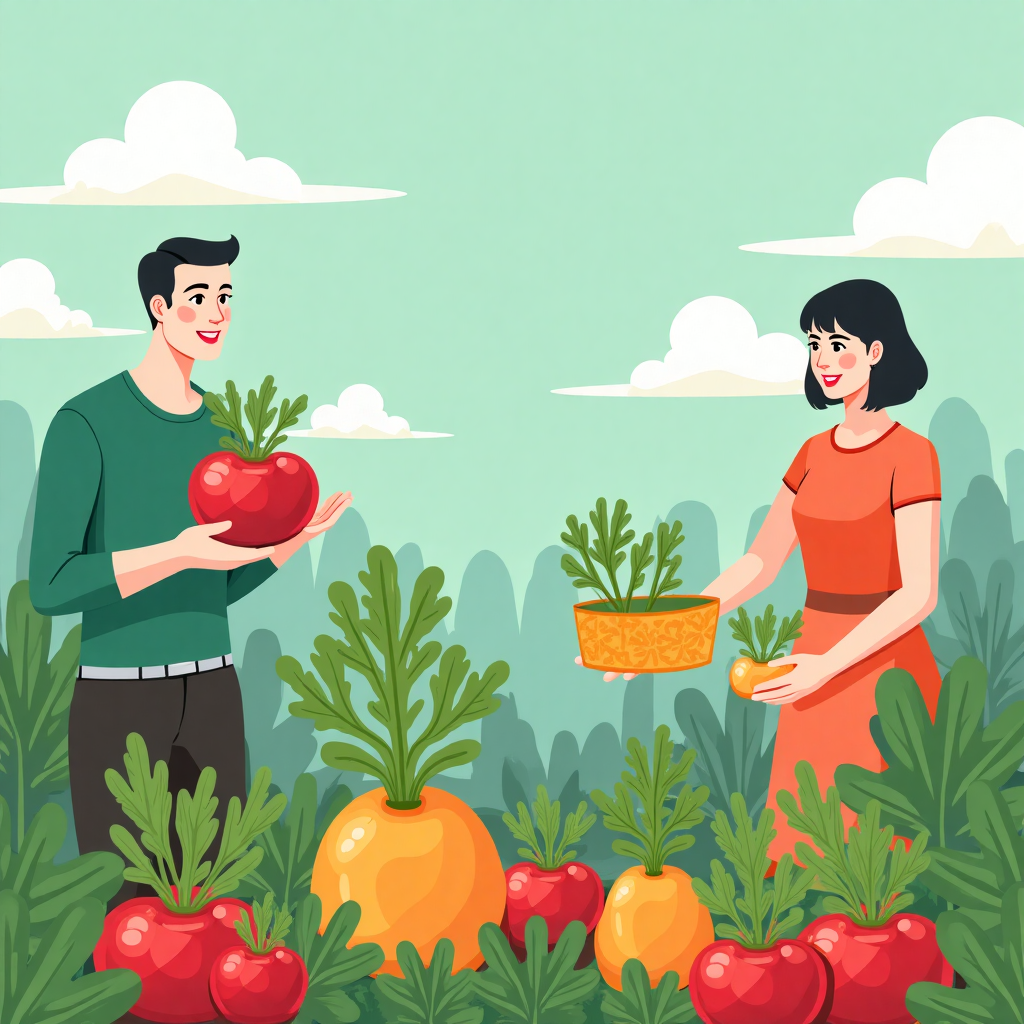
Introduction to Regrowing Vegetables from scraps
Imagine a world where you can transform everyday scraps into a lush, vibrant garden. The idea of regrowing vegetables from scraps might seem unconventional at first glance, but with the right approach, it’s not only possible but also an environmentally responsible way to reclaim land and feed your family. This guide will walk you through the process of selecting the right plants, preparing the soil, and creating an optimal environment for regrowth. Whether you’re a seasoned gardener or just starting out, this comprehensive guide has something for everyone.
Understanding the Basics of Regrowing Vegetables
Regrowing vegetables from scraps is a sustainable gardening practice that allows you to use materials you would otherwise dispose of. It’s a great way to make the most of limited space and reduce waste. The process involves selecting plants that are hardy enough to thrive in various soil conditions and preparing the soil to suit their needs. Here’s a breakdown of the key steps involved:
- Selecting the right plants: Choose vegetables that are native to your climate and have a short growing season, as they will regrow more frequently.
- Preparing the soil: Compost is a crucial component of the soil preparation process. It enriches the soil and provides essential nutrients for plant growth.
- Using the right tools: Essential tools include trowels, shovels, and mulching forks, which help in preparing the soil and keeping it moist.
Preparing the Soil for Regrowth
Preparing the soil is a critical step in the regrowing process. The quality of the soil determines the health of the plants and the success of the garden. Here’s how to prepare your soil for regrowth:
Composting for a Healthier Soil
Composting is a natural way to enrich your soil and make it more fertile. Here’s how to start your composting project:
- Gather your scraps: Collect organic waste such as vegetable peels, fruit scraps, eggshells, and paper products.
- Sort and separate: Discard food waste and other non-compostable materials. Compost is meant for organic material that can decompose.
- Organic matter: Add organic matter like manure, compost, or even pet waste to your soil for added nutrients.
- Compost bin: Create a compost bin in your garden or a wheelbarrow for collecting and transporting your scraps.
Preparing the Soil for Different Plants
Different plants have different soil requirements, so it’s important to prepare the soil accordingly. Here’s how to prepare the soil for various types of plants:
- Herbs and annuals: Use well-draining soil that is slightly acidic. Mulch around the base of the plant to retain moisture and prevent root rot.
- Leafy greens and perennials: Opt for slightly alkaline soil and ensure good drainage to prevent root rot.
- Root vegetables: Use slightly alkaline soil and ensure it is well-draining to support healthy root growth.
Choosing the Right Plants for Regrowth
When starting with regrowing vegetables, it’s essential to choose plants that are easy to grow and have a short growing season. This allows them to regrow quickly and sustainably. Here are some plant types that are ideal for regrowing:
Herbs and Annuals
Herbs and annual plants are excellent candidates for regrowing as they have a short life cycle and can be planted multiple times a year. Some popular choices include:
- Chives and parsley: Hardy, drought-tolerant herbs that are easy to grow and regrow.
- Thyme andmarylindens: Drought-tolerant annuals that thrive in various soil conditions.
- Carrot and radish: Short-lived, root vegetable options that regrow quickly.
Leafy Greens and Perennials
Leafy greens and perennials are great for a more consistent harvest. They require slightly more care but offer a steady supply of fresh produce. Some good options include:
- Ice plant and swiss chard: Hardy, low-maintenance annuals that regrow easily.
- Arugula and chardonnay: Drought-tolerant, nitrogen-fixing plants that are great for regrowth.
- Watercress and radicchio: Hardy, fast-growing greens that are easy to regrow.
Root Vegetables
Root vegetables are ideal for regrowing as they have deep tapings and can be planted multiple times a year. Some excellent choices include:
- Beet and carrots: Hardy, low-maintenance root vegetables that are easy to regrow.
- Potato and sweet potato: Great for regrowing, as they have shallow tapings and can be planted frequently.
- Turnip and radish: Hardy, versatile root vegetables that are easy to grow and regrow.
Optimizing Regrowth: Tips and Best Practices
While regrowing vegetables from scraps is an exciting and sustainable practice, there are a few tips to keep in mind to ensure success:
mulching for Healthier Roots
Mulching is a natural way to keep your soil moist and provide shade to the plants, which helps in promoting healthy root growth. Mulch should be applied to the surface of the soil and kept at a thickness of 2-3 inches.
companion planting for Enhanced Growth
Companion planting involves growing multiple plants together in the same space. It not only enhances the flavor of your harvest but also promotes better soil health. For example, you can grow radishes and carrots together for better flavor and improved soil conditions.
Consider the Local Climate
Understanding your local climate is essential for successful regrowth. Check the soil conditions, rainfall patterns, and temperature fluctuations to determine the best time to plant and care for your regrowing vegetables.
Prune and Thin to Promote Regrowth
Pruning and thinning your plants can help promote regrowth by encouraging new shoots and roots to develop. This is especially important for annuals and perennials that are being regrown.
Conclusion
Regrowing vegetables from scraps is not only a sustainable way to reclaim land but also a refreshing way to connect with nature and enjoy fresh produce. By selecting the right plants, preparing the soil, and following best practices, you can transform scraps into a thriving garden. Start your regrowing journey today and reap the benefits of a greener, more sustainable lifestyle. With patience and dedication, you’ll soon have your own vegetable patch growing productive vegetables from every scrap of land.
Leave a Reply