AI文章生成失败: API调用失败: Operation timed out after 120001 milliseconds with 0 bytes received (HTTP code: 0)
Author: admin
-
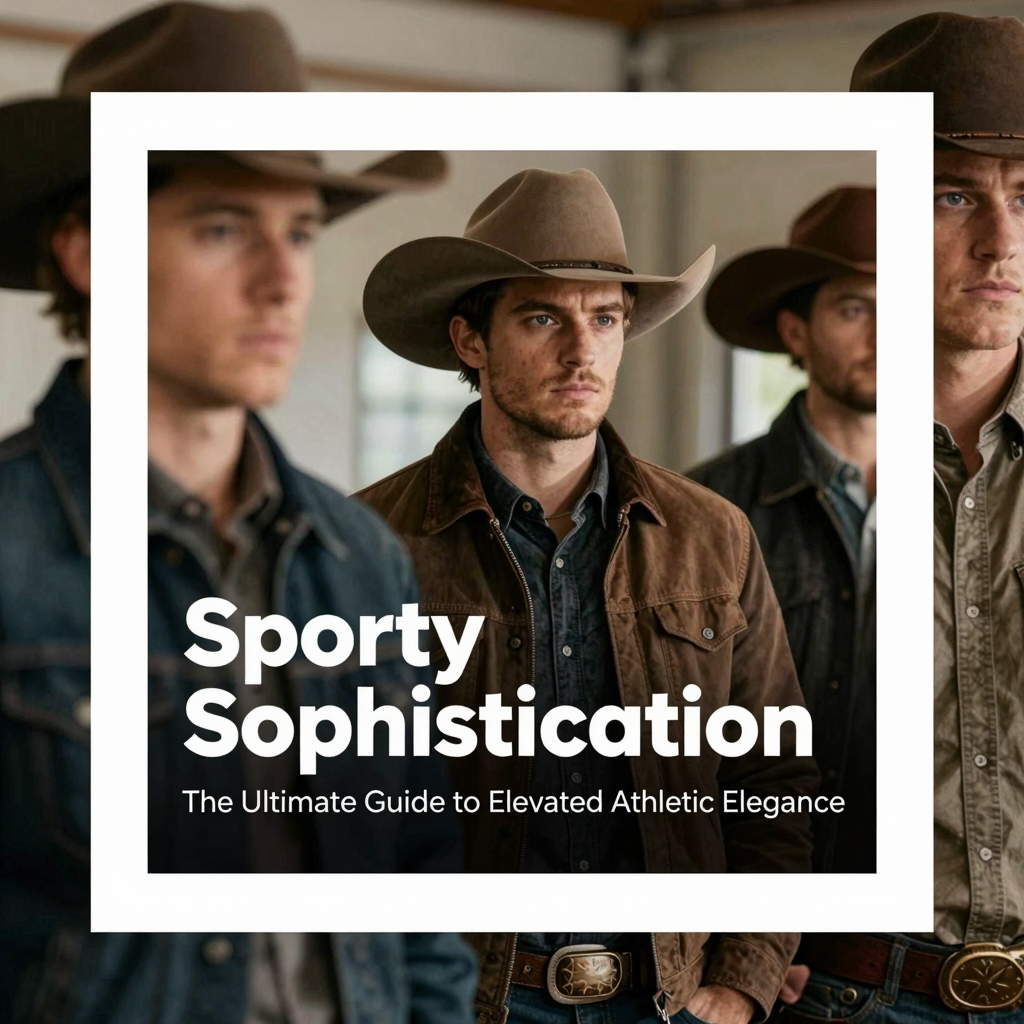
Sporty Sophistication: The Ultimate Guide to Elevated Athletic Elegance
There was a time when the worlds of sport and high fashion occupied entirely separate corners of the wardrobe. Athletic wear was purely functional, designed for performance, sweat, and movement. Luxury fashion, on the other hand, was about structure, formality, and polish. Over the past decade, those boundaries have not only blurred—they have dissolved. The result is a dynamic, enduring aesthetic known as sporty sophistication. This style philosophy combines the comfort, ease, and energy of athletic clothing with the refinement, tailoring, and elegance of classic fashion. It is not about wearing gym clothes to a business meeting, nor is it about running a marathon in silk. Instead, it is a carefully curated balance that allows you to look polished while feeling effortlessly comfortable. Mastering this look requires an understanding of fabric, fit, color, and attitude. In this comprehensive guide, we will explore the origins of sporty sophistication, break down its essential elements, and provide practical styling advice to help you elevate your everyday wardrobe.
Sporty sophistication has become more than just a trend; it is a response to the modern lifestyle. People are moving faster, working in more flexible environments, and demanding more from their clothing. A rigid suit or a flimsy t-shirt no longer meets the needs of a day that might include a morning workout, a client lunch, an afternoon of creative work, and an evening social event. The sporty sophisticated wardrobe answers this challenge with versatile pieces that perform across contexts. Think tailored joggers in premium wool, a bomber jacket cut from supple leather, or a crisp white sneaker paired with a sharply cut blazer. These combinations send a message of confidence, health, and contemporary taste. As you read on, you will learn how to build this aesthetic for yourself, avoiding the common pitfalls that can make an outfit look sloppy or try-hard.
Understanding Sporty Sophistication
At its core, sporty sophistication is about contrast. The tension between the relaxed, dynamic energy of sportswear and the controlled, elegant structure of tailored clothing creates visual interest. This contrast is what makes the style so compelling. A single outfit might pair a soft, technical knit with a structured wool overcoat, or combine a pleated midi skirt with a sleek running-inspired top. The key is balance—neither element should dominate completely. If an outfit is too sporty, it risks looking like you just left the gym. If it is too polished, you lose the sense of ease and modernity that defines the look. The most successful sporty sophisticated outfits feel intentional, as if every piece was chosen for both comfort and aesthetics.
This aesthetic also reflects a broader cultural shift toward wellness and performance. As society places greater value on health, movement, and longevity, our clothing has adapted to reflect those priorities. Fabrics once reserved for athletes—such as performance knits, stretch wovens, and breathable membranes—have been refined and integrated into everyday garments. Designers have embraced technical materials not just for their function, but for their unique textures and sheen. The result is a wardrobe that supports an active life without sacrificing style. Sporty sophistication is, in many ways, the uniform of the modern, multifaceted individual.
The Evolution of Athletic Aesthetics in Fashion
The relationship between sport and fashion is not new. In the early twentieth century, tennis players and golfers influenced leisurewear, introducing knit polos, pleated trousers, and lightweight cardigans to the mainstream. Icons like Coco Chanel borrowed liberally from menswear and sportswear, championing jersey fabric and relaxed silhouettes at a time when women’s fashion was rigid and restrictive. The rise of basketball culture in the 1980s and 1990s brought sneakers, track suits, and oversized silhouettes into the global consciousness. Hip-hop artists and athletes became style icons, and brands like Nike, Adidas, and Fila transcended the court to influence streetwear.
In the 2010s, a new wave of designers began to merge these athletic influences with luxury craftsmanship. The term athleisure entered the lexicon, but sporty sophistication is its more refined cousin. While athleisure often prioritizes comfort above all else, sporty sophistication insists on polish. High-fashion houses such as Prada, Gucci, and Balenciaga began sending technical jackets, track pants, and sneakers down runways, often paired with tailored blazers or elegant dresses. Celebrities and influencers embraced the look, wearing designer sneakers with suits and elevated hoodies with wool coats. Today, sporty sophistication is a permanent part of the fashion landscape, evolving with each season but always rooted in the balance of athletic ease and sartorial elegance.
Key Elements of a Sporty Sophisticated Wardrobe
Building a wardrobe around sporty sophistication requires a thoughtful approach. It is not about buying every trendy piece, but rather about selecting high-quality items that can be mixed and matched to create balanced outfits. The following elements are the foundation of this aesthetic.
Elevated Fabrics and Technical Textures
Fabric choice is perhaps the most important factor in achieving sporty sophistication. The goal is to use materials that offer comfort and performance while looking refined. Look for technical fabrics with a luxurious hand, such as bonded neoprene, merino wool jersey, stretch cotton poplin, and performance twill. These materials have the flexibility and breathability of athletic wear but hold their shape and drape beautifully. Avoid overly shiny or cheap-looking synthetic fabrics, which can read as low quality. Instead, opt for matte finishes, subtle textures, and garments that feel substantial. A pair of tailored joggers in a heavy cotton blend looks far more sophisticated than a pair in thin, shiny polyester. Similarly, a knit bomber in a dense wool blend feels more elevated than a nylon windbreaker, though the latter can work if styled carefully.
Tailoring and Relaxed Silhouettes
The cut of a garment determines whether it leans sporty or sophisticated. Sporty sophistication thrives on the interplay between structured and relaxed silhouettes. A blazer with soft, unstructured shoulders feels more modern and athletic than a heavily padded, boxy suit jacket. Trousers with a tapered leg and an elasticated waistband offer the comfort of track pants with the polish of tailored trousers. The key is to avoid extremes. Garments that are overly baggy can look sloppy, while pieces that are too tight can appear dated and uncomfortable. Aim for clean lines, gentle drape, and a fit that skims the body without clinging. Tailoring can be casual and comfortable, but it should always look deliberate.
A Refined Color Palette
Color plays a crucial role in conveying sophistication. While athletic wear often features bright, saturated hues and loud logos, sporty sophistication favors a more restrained palette. Neutrals such as black, white, navy, gray, beige, and olive form the backbone of this aesthetic. These colors are easy to mix and match, and they naturally convey a sense of calm and elegance. That said, you can absolutely incorporate color, but do so with intention. A deep burgundy, forest green, or rich cobalt can add depth without overwhelming the outfit. Avoid neon accents and large graphic prints, which can cheapen the look. Instead, opt for tonal dressing or subtle color blocking. A monochromatic outfit in varying shades of gray, for example, feels incredibly modern and sophisticated.
Footwear and Accessories as Finishing Touches
Footwear is often the defining element of a sporty sophisticated outfit. The right shoe can bridge the gap between athletic and elegant. Minimalist leather sneakers in white or neutral tones are a cornerstone of this style. They are clean, versatile, and pair well with everything from tailored trousers to midi dresses. Avoid overly chunky athletic shoes or heavily branded sneakers, which can skew too casual. Other footwear options include sleek Chelsea boots, low-profile loafers, and modern slides in premium materials. Accessories should follow the same principle of understated luxury. A structured leather backpack, a minimalist watch with a rubber or metal strap, and a simple cap in a neutral tone can all enhance the look. Avoid excessive logos and flashy hardware; the goal is effortless polish, not ostentation.
Building a Sporty Sophisticated Capsule Wardrobe
To help you get started, here is a list of essential pieces that form the core of a sporty sophisticated wardrobe. These items are versatile, timeless, and can be combined in countless ways.
- Tailored joggers: Look for a tapered leg, clean waistband, and premium fabric like wool blend or heavyweight cotton. These can be dressed up with a blazer or down with a knit polo.
- Unstructured blazer: A soft-shouldered blazer in navy, gray, or beige adds instant polish to any casual outfit.
- Minimalist leather sneakers: White or off-white sneakers with a clean silhouette are the ultimate bridge piece.
- Performance knit polo or tee: Choose high-quality merino or pima cotton with moisture-wicking properties for a refined yet sporty top.
- Technical shell jacket: A sleek, weather-resistant jacket in a neutral color works for both outdoor activity and city wear.
- Tailored track pants: Similar to joggers but with a slightly more formal cut, often featuring a crease or side stripe.
- Bomber or varsity jacket: Opt for a refined version in wool, suede, or leather rather than shiny nylon.
- Structured knit sweater: A zip-neck or crewneck in a fine gauge knit adds texture and warmth without bulk.
- Chino or twill trousers with stretch: These offer the comfort of performance fabric with the look of classic trousers.
- Elevated hoodie: A heavyweight cotton or cashmere-blend hoodie in a neutral color can be layered under a topcoat for a modern look.
These pieces work together because they share a common language of clean lines, quality fabrics, and restrained color. You can mix a tailored jogger with a blazer and sneakers for a smart-casual office look, or pair a technical shell with chinos and loafers for a weekend outing. The versatility of this capsule wardrobe is what makes sporty sophistication so practical and appealing.
Styling Tips for Sporty Sophistication
Knowing which pieces to buy is only half the battle. The real art lies in how you combine them. Here are some practical styling tips to help you master the aesthetic.
For the Office or Business Casual Environment
Many modern workplaces have relaxed their dress codes, but that does not mean you should show up in gym clothes. Sporty sophistication offers the perfect middle ground. Start with a pair of tailored joggers or stretch chinos in a dark neutral. Add a fine-gauge knit polo or a crisp button-down shirt made from performance fabric. Layer an unstructured blazer over the top for structure. Finish with minimalist leather sneakers or polished loafers. This outfit is comfortable enough for a long day but polished enough for a client meeting. Avoid wearing anything with visible logos or overly technical details, such as reflective strips or mesh panels.
For Weekend and Casual Outings
Weekends call for ease, but that does not mean sacrificing style. A refined hoodie in a neutral tone paired with tailored track pants and clean sneakers is a classic sporty sophisticated look. Add a wool overcoat or a suede bomber for cooler weather. If you prefer a more feminine silhouette, consider a pleated midi skirt with a fitted performance knit top and sleek sneakers. The contrast between the feminine skirt and the athletic top creates a dynamic, modern outfit. Keep accessories minimal—a structured crossbody bag or a simple cap can complete the look without overpowering it.
For Evening and Social Events
Sporty sophistication can even be adapted for evening occasions. Swap your daytime sneakers for a sleek Chelsea boot or a minimal heeled sandal. Replace the hoodie with a silk or satin camisole layered under a tailored blazer or a leather bomber. Tailored trousers with a subtle sheen or a knit midi dress with sporty detailing both work beautifully. The key is to choose one or two sporty elements and keep the rest of the outfit polished. For example, a pair of tailored trousers with a side stripe paired with a silk blouse and a structured clutch strikes the perfect balance between athletic and elegant. Avoid anything too casual, such as sweatpants or graphic tees, unless the event specifically calls for it.
Common Mistakes to Avoid
While sporty sophistication is a forgiving aesthetic, there are several common mistakes that can undermine your efforts. The first is wearing too many athletic pieces at once. If you pair a hoodie, joggers, and sneakers, you are simply wearing athleisure, not sporty sophistication. The goal is contrast, so always include at least one structured or tailored element. The second mistake is ignoring fit. Sporty pieces often have a relaxed cut, but they should still fit you well. Baggy, ill-fitting clothing looks sloppy and can make you appear disheveled. The third mistake is over-accessorizing with sporty logos or branding. A designer sneaker with a subtle logo can be elegant, but a shoe covered in branding or a cap with a loud logo can cheapen the entire outfit. Finally, avoid wearing overly technical gear in non-athletic settings. Items like compression leggings, running singlets, or trail shoes are designed for performance and rarely look sophisticated outside the gym.
Another common pitfall is neglecting the power of grooming and presentation. Sporty sophistication is not just about the clothes; it is about the overall impression you create. Clean, well-maintained sneakers, neatly pressed trousers, and well-groomed hair all contribute to the polished look. Even the most expensive outfit can look unkempt if the details are ignored. Take the time to care for your garments, store them properly, and replace items that are worn or faded. The aesthetic is built on the idea of effortless ease, but that ease often requires careful attention behind the scenes.
The Future of Sporty Sophistication
As we look ahead, sporty sophistication shows no signs of fading. The lines between work and leisure, performance and fashion, continue to blur, and designers are responding with increasingly innovative garments. We are seeing the rise of smart fabrics that adapt to temperature, garments that are both breathable and water-resistant, and silhouettes that combine the best of tailoring and athletic ease. Sustainability is also playing a significant role, with brands developing recycled performance materials and timeless designs that transcend seasonal trends. The sporty sophisticated consumer is increasingly looking for quality over quantity, investing in pieces that will last for years and remain stylish regardless of the fashion cycle.
Moreover, the aesthetic is becoming more inclusive and diverse. No longer confined to a single gender or body type, sporty sophistication is being embraced by people of all ages and backgrounds. The emphasis on comfort, movement, and polish resonates with a wide audience that values both well-being and personal style. As remote work and flexible schedules become the norm, the demand for clothing that transitions seamlessly from a workout to a video call to a dinner date will only grow. Sporty sophistication is perfectly positioned to meet that demand, offering a wardrobe that is as versatile as the modern life it serves.
Conclusion
Sporty sophistication is more than a fashion trend; it is a philosophy of dressing that celebrates the best of both worlds. By combining the comfort and energy of athletic wear with the polish and elegance of tailored clothing, you can create outfits that are both functional and beautiful. The key lies in thoughtful choices: high-quality fabrics, balanced silhouettes, a refined color palette, and the right accessories. Whether you are dressing for the office, the weekend, or a night out, this aesthetic offers endless possibilities for expressing your personal style with confidence and ease.
As you begin to build your sporty sophisticated wardrobe, remember that the goal is not perfection but harmony. Experiment with different combinations, pay attention to how garments feel and move, and do not be afraid to push the boundaries a little. The most stylish people are those who wear their clothes with ease and authenticity. With the principles outlined in this guide, you are well on your way to mastering the art of elevated athletic elegance. Embrace the contrast, enjoy the comfort, and step out with the quiet confidence that defines true sporty sophistication.
-
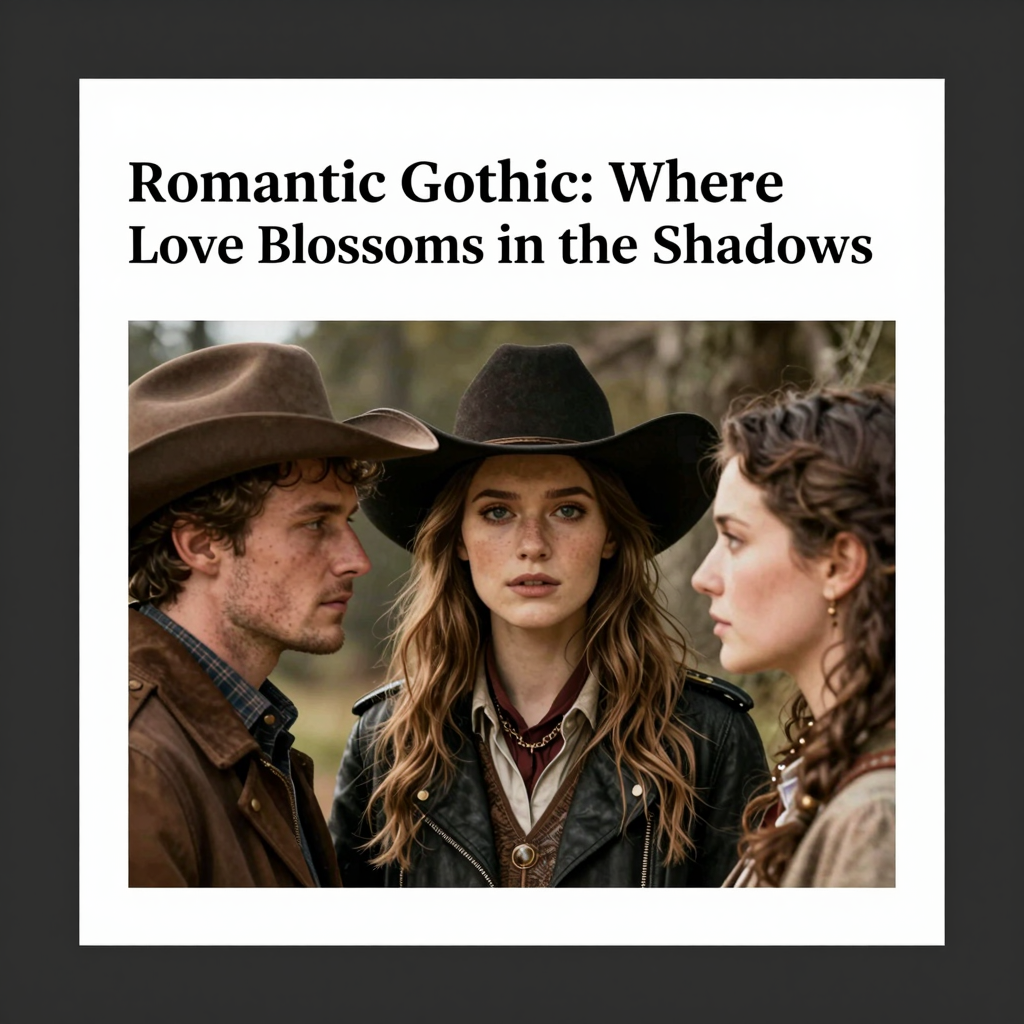
Romantic Gothic: Where Love Blossoms in the Shadows
At first glance, romance and gothic might seem like strange bedfellows. One conjures images of candlelit dinners, soft petals, and whispered promises; the other evokes crumbling castles, midnight storms, and mysterious figures lurking in hallways. Yet when these two forces collide, they create something extraordinarily compelling: romantic gothic, a world where beauty thrives in darkness, where passion is inseparable from mystery, and where the macabre becomes a canvas for the deepest human emotions.
This is not a trend that simply wears black lace and calls itself dark. Romantic gothic is an entire philosophical and aesthetic universe. It lives in the pages of windswept novels, in the chords of haunting music, in the architecture of forgotten cathedrals, and in the way a single red rose can look unbearably beautiful against a storm-grey sky. It is a celebration of longing, memory, and the notion that love is often most powerful when it exists on the edge of the unknown.
In this article, we will journey through the origins of romantic gothic, its dominant themes, its presence in literature and fashion, and how you can invite its brooding elegance into your own life. Whether you are a lifelong lover of the darkly beautiful or a curious newcomer, the world of romantic gothic has a place for you.
What Is Romantic Gothic?
To understand romantic gothic, it helps to separate the two words. The term gothic originally referred to a style of medieval architecture characterised by pointed arches, ribbed vaults, and flying buttresses. Over time, it came to describe a literary and artistic mode fascinated by the supernatural, the grotesque, and the sublime power of fear. The term romantic, in its broader historical sense, refers to the Romantic movement of the late eighteenth and nineteenth centuries, which prized emotion, individualism, and the awe-inspiring beauty of untamed nature.
When these two sensibilities merge, the result is a world that does not shy away from darkness but instead finds profound emotion within it. Romantic gothic is not about empty horror or gratuitous gloom. Instead, it uses shadows to heighten feeling. A ghost is not merely frightening; it may be a lover lost too soon. A ruined castle is not just a pile of stones; it is a monument to memory and decay. A storm is not simply bad weather; it is the external echo of a character’s inner turmoil.
This blend gives romantic gothic its unique emotional range. It can be tender and terrifying, beautiful and melancholic, intimate and vast. It speaks to the part of the human heart that has loved, lost, and still dared to hope. Because of this, romantic gothic has never truly left our cultural imagination.
The Historical Roots of Romantic Gothic
Gothic Literature and the Romantic Imagination
The literary roots of romantic gothic reach back to the mid-eighteenth century. In 1764, Horace Walpole published The Castle of Otranto, widely regarded as the first gothic novel. Walpole filled his story with a haunted castle, secret passages, supernatural events, and heightened emotion. This template proved irresistible to writers and readers alike.
Later authors expanded the genre by infusing it with the emotional depth and natural imagery prized by Romanticism. Ann Radcliffe, for example, became famous for her ability to create suspense and mystery while maintaining a refined, almost poetic sensibility. Her novels, such as The Mysteries of Udolpho, placed vulnerable heroines in grand, decaying settings and let their inner lives unfold against a backdrop of sublime landscapes.
The nineteenth century produced some of the most enduring works of romantic gothic. Mary Shelley’s Frankenstein combined scientific ambition with profound loneliness and the longing for connection. Emily Brontë’s Wuthering Heights turned the Yorkshire moors into a wild, passionate character in its own right. Charlotte Brontë’s Jane Eyre gave readers a governess, a brooding master, and a secret hidden behind the walls of Thornfield Hall. These novels did not use darkness as mere decoration; they used it to explore identity, devotion, and the boundaries of the human soul.
Victorian Gloom and Enduring Appeal
The Victorian era deepened the romantic gothic mood. Mourning rituals, spiritualism, and a fascination with death and the afterlife permeated daily life. This cultural atmosphere produced stories such as Bram Stoker’s Dracula, which blended predatory desire with Victorian repression, and Robert Louis Stevenson’s Strange Case of Dr Jekyll and Mr Hyde, which examined the duality of human nature.
What makes romantic gothic endure is its refusal to offer easy answers. It does not pretend that love is always safe or that beauty is always gentle. Instead, it suggests that the most meaningful experiences often live on the border between comfort and fear, light and shadow.
Core Themes in Romantic Gothic
Several recurring themes define the romantic gothic world. Understanding these themes helps us see why the aesthetic continues to resonate so deeply.
Love and Death
In romantic gothic, love is never separate from mortality. Lovers may be separated by death, haunted by memory, or drawn together by a shared sense of doom. This is not because the genre is morbid for its own sake, but because death gives love its urgency. When time is short or fate is uncertain, every glance and touch becomes more meaningful.
The Haunted Past
Old houses, family secrets, and unresolved grief are central to romantic gothic storytelling. Characters are often forced to confront what has been hidden or denied. In doing so, they discover that the past is not dead; it lives on in the walls, in the landscape, and in the heart. The haunted past can be terrifying, but it can also offer a path toward healing.
The Sublime Power of Nature
Wild landscapes are essential to romantic gothic. Moors, cliffs, storms, and dark forests mirror the emotional states of the characters who move through them. The Romantics believed that nature could inspire awe, terror, and wonder all at once—a concept known as the sublime. In romantic gothic, nature is not a passive backdrop but a living force that shapes human destiny.
Forbidden Desire and the Anti-Hero
From the brooding Mr. Rochester to the tormented phantom of the opera, romantic gothic is drawn to characters who are flawed, mysterious, and often dangerous. These figures challenge conventional morality. They are capable of cruelty, yet they also possess a wounded tenderness that makes them irresistible. The tension between attraction and repulsion gives romantic gothic its electric charge.
Romantic Gothic in Literature
Few genres have produced such a rich literary tradition. Romantic gothic novels offer readers a chance to experience heightened emotion within the safe confines of a story. They ask big questions: What does it mean to truly know another person? Can love survive shame, secrecy, or even death?
The following works are essential reading for anyone drawn to romantic gothic:
- Wuthering Heights by Emily Brontë – A turbulent tale of passion, revenge, and ghosts on the Yorkshire moors.
- Jane Eyre by Charlotte Brontë – A governess falls for her enigmatic employer, but Thornfield Hall holds a terrible secret.
- Rebecca by Daphne du Maurier – A young bride is overshadowed by the memory of her husband’s first wife.
- The Phantom of the Opera by Gaston Leroux – A disfigured musical genius haunts the Paris Opera House and becomes obsessed with a young soprano.
- Dracula by Bram Stoker – Desire, blood, and Victorian anxiety collide in this foundational vampire novel.
- The Thirteenth Tale by Diane Setterfield – A modern novel steeped in gothic atmosphere, family secrets, and the power of storytelling.
These books share a common thread: they are deeply atmospheric and emotionally intense. They invite readers to linger in crumbling houses, misty gardens, and candlelit rooms. More importantly, they remind us that love is often most compelling when it is complicated.
Romantic Gothic Fashion and Aesthetic
Romantic gothic style is one of the most visually recognisable expressions of the aesthetic. It balances softness and strength, darkness and elegance. Unlike harsher industrial or punk-inspired goth styles, romantic gothic leans toward lace, velvet, flowing silhouettes, and historical details. It draws heavily on Victorian mourning wear, but softens it with a poetic sensibility.
Key Fashion Elements
Building a romantic gothic wardrobe is not about wearing a costume every day. Instead, it is about curating pieces that feel personal, mysterious, and graceful. Common elements include:
- Lace and velvet – These fabrics add texture and a sense of antique luxury.
- Corsets and waistcoats – Structured garments create a dramatic, almost sculptural silhouette.
- Flowing skirts and billowing sleeves – Movement in fabric echoes the windswept landscapes of gothic fiction.
- Dark florals – Roses, thistles, and vine motifs blend romance with a hint of decay.
- Jewellery with symbolism – Lockets, cameos, crosses, moons, and serpents carry hidden meanings.
- Leather boots and gloves – Practical yet theatrical, they ground the look in strength.
The colour palette tends to favour black, deep burgundy, midnight blue, forest green, and ivory. These hues suggest candlelight, night skies, and faded elegance. Makeup often emphasises pale skin, defined brows, and dark lips, while hair may be worn loose, braided, or adorned with ribbons and small dried flowers.
At its heart, romantic gothic fashion is about self-expression. It allows the wearer to feel like the protagonist of their own mysterious story, whether they are walking through a city street or attending a candlelit concert.
Creating a Romantic Gothic Home
The romantic gothic aesthetic extends beautifully into interior design. A home inspired by this style feels like a sanctuary from the modern world—a place where time slows, shadows dance, and every object carries meaning.
Colours, Light, and Atmosphere
Start with a deep, moody colour palette. Charcoal grey, plum, forest green, and oxblood red create warmth and depth. Walls do not have to be black to feel gothic; even soft grey can feel mysterious when paired with the right lighting. Candlelight is essential. The flicker of real candles or the warm glow of low lamps instantly transforms a room.
Furniture and Decor
Antique or vintage furniture works best in a romantic gothic interior. Look for pieces with carved details, dark wood, and worn patina. Velvet upholstery adds softness, while ornate mirrors create a sense of space and mystery. Key decor items include:
- Antique candelabras and candlesticks – These create dramatic pools of light.
- Dark tapestries or heavy curtains – They add texture and make rooms feel cocooned.
- Old books and leather-bound journals – Stacks of books evoke libraries and secrets.
- Dried roses and botanical specimens – Beauty in decay is a cornerstone of the aesthetic.
- Gothic arches in frames or furniture – Architectural curves echo cathedrals and castles.
- Portraits and vintage photographs – Faces from the past lend the space a haunting intimacy.
A romantic gothic home does not need to feel like a stage set. The goal is atmosphere, not artifice. A single velvet chair, a dark floral cushion, and a shelf of beloved gothic novels can be enough to shift the mood of a room.
Music, Film, and Modern Interpretations
Romantic gothic has also flourished beyond the written word. Music and film have carried its themes to new generations, proving that the darkly romantic imagination is endlessly adaptable.
Music That Haunts and Heals
Gothic rock and darkwave bands have long explored the emotional territory of romantic gothic. Artists such as The Cure, Siouxsie and the Banshees, and Bauhaus blended melancholy lyrics with lush, atmospheric instrumentation. Later acts like Within Temptation, Nightwish, and Evanescence brought symphonic power and operatic vocals to the genre, emphasising the romantic grandeur of grief and desire.
In these songs, love is often portrayed as something both beautiful and destructive. The music swells, the vocals soar, and listeners are invited to feel deeply without apology. This emotional openness is one of romantic gothic’s greatest gifts.
Film and Television
Cinema has also embraced romantic gothic storytelling. Films such as Crimson Peak, Sleepy Hollow, Bram Stoker’s Dracula, and The Others use colour, shadow, and costume to create worlds of fragile beauty. Gothic romance appears in period dramas, horror films, and even modern television series that feature brooding heroes and haunted houses.
These visual interpretations often amplify the aesthetic elements that readers have long imagined. They show how a torn lace curtain, a blood-red rose, or a candlelit ballroom can carry as much emotional weight as any dialogue.
How to Embrace Romantic Gothic in Everyday Life
You do not need to live in a castle or wear a corset to embrace romantic gothic. The aesthetic is ultimately about a way of seeing the world. It is about finding beauty in shadow, meaning in melancholy, and courage in vulnerability.
Begin by reading the novels and listening to the music that move you. Let yourself sit with the emotions they stir. Write in a journal by candlelight. Take a walk in a misty park or an old cemetery and notice the way ivy curls around stone. Collect small treasures—a feather, a fallen rose petal, a smooth dark stone—and arrange them on a shelf or windowsill.
In your relationships, romantic gothic teaches that love is not the absence of darkness but the willingness to meet each other within it. It values depth, honesty, and the acceptance of imperfection. A romantic gothic heart does not demand constant happiness; it seeks a connection strong enough to hold sorrow and joy together.
Conclusion
Romantic gothic endures because it speaks to something essential in the human spirit. It tells us that beauty does not vanish in the dark; it becomes more luminous. It insists that love can exist alongside grief, that mystery can deepen intimacy, and that the shadows are not only places of fear but also places of transformation.
Whether you express it through your wardrobe, your home, your art, or simply your way of seeing the world, romantic gothic offers a rich and meaningful perspective. It is an invitation to embrace the full spectrum of emotion, to find poetry in the ruins, and to let your heart bloom like a dark rose in the moonlight.
So light a candle, open a well-worn novel, and let the storm outside become music. In the world of romantic gothic, the night is never empty—it is full of secrets, stories, and the kind of love that leaves a beautiful scar.
-
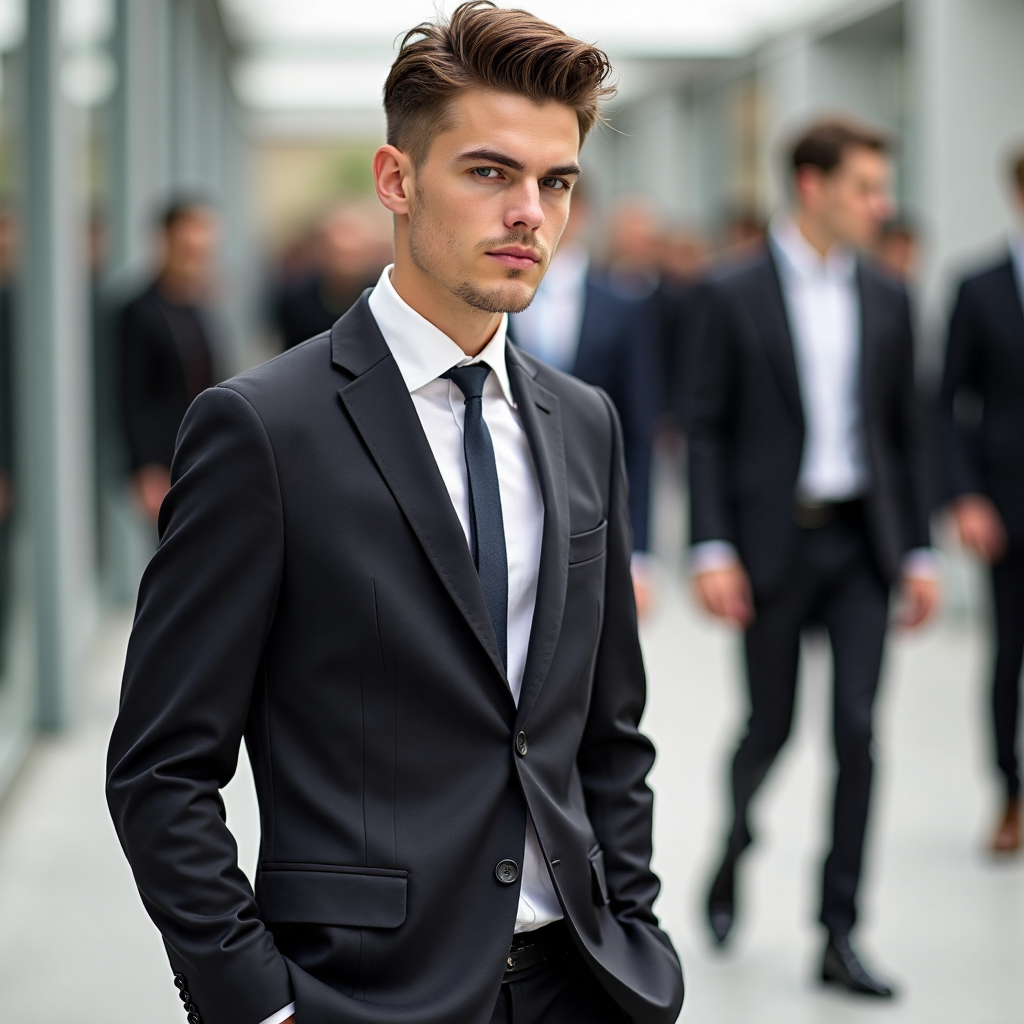
Androgynous Tailoring: The Art of Genderless Elegance in Modern Fashion
Androgynous tailoring has emerged as one of the most compelling movements in contemporary fashion, challenging centuries of sartorial conventions and redefining what it means to dress with intention. At its core, androgynous tailoring is the practice of designing and wearing tailored garments—blazers, trousers, waistcoats, and overcoats—in ways that transcend traditional gender boundaries. It is not merely about women wearing suits or men wearing softer silhouettes; rather, it is a sophisticated dialogue between structure and fluidity, between the sharpness of classic menswear techniques and the expressive possibilities of gender-neutral design. The result is a wardrobe philosophy that prioritises cut, proportion, and personal identity over prescribed notions of masculine or feminine dress.
The significance of androgynous tailoring extends far beyond the runway. It represents a cultural shift in how we understand clothing as a form of self-expression. For decades, the tailored suit was the ultimate symbol of masculine power and authority, while soft, draped garments were associated with femininity. Androgynous tailoring breaks down these binaries, offering a visual language that speaks to individuality rather than conformity. This evolution has been driven by designers, celebrities, and everyday people who recognise that the sharp line of a well-cut lapel or the precise drape of a trouser can belong to anyone, regardless of gender. The movement has gained momentum in recent years, fuelled by broader conversations about gender identity, inclusivity, and the democratisation of fashion.
In this comprehensive exploration of androgynous tailoring, we will trace its historical roots, examine the technical elements that define the style, analyse its cultural impact, and provide practical guidance for incorporating these principles into a modern wardrobe. Whether you are a fashion professional, a style enthusiast, or simply someone curious about the evolving landscape of dress, understanding androgynous tailoring offers valuable insights into the future of fashion and the enduring power of the tailored garment.
The Historical Evolution of Androgynous Tailoring
The story of androgynous tailoring is deeply interwoven with the broader history of women’s emancipation and the shifting landscape of gender roles in society. While the concept may feel distinctly contemporary, its origins can be traced back more than a century, to a time when women began to challenge the restrictive clothing that had long defined their place in the social order. The journey from the corseted silhouettes of the Victorian era to the fluid, gender-inclusive tailoring of today is a fascinating narrative of rebellion, innovation, and artistic vision.
The Pioneering Era: Chanel and the Borrowed Wardrobe
The first significant breakthrough in androgynous tailoring came in the 1920s with the revolutionary work of Coco Chanel. Chanel fundamentally altered the course of women’s fashion by introducing elements of menswear into the female wardrobe. Her designs incorporated jersey fabrics traditionally used for men’s underwear, and she championed relaxed silhouettes that allowed for movement and comfort. Chanel’s iconic tweed suits, with their straight lines and absence of restrictive corsetry, represented a radical departure from the prevailing fashion of the time. She famously stated that she wanted to dress women in clothing that allowed them to live their lives fully—to work, to drive, to move freely. This philosophy laid the groundwork for everything that would follow in the realm of androgynous tailoring.
The Provocative 1960s and Yves Saint Laurent’s Le Smoking
If Chanel planted the seeds of androgynous tailoring, it was Yves Saint Laurent who brought it into full bloom with his legendary Le Smoking tuxedo, introduced in 1966. This garment was nothing short of revolutionary—a tuxedo suit designed specifically for women, complete with sharply tailored trousers, a crisp shirt, and a bow tie. The audacity of presenting a woman in what was then considered the ultimate symbol of masculine attire sent shockwaves through the fashion world. Initially met with controversy, with some restaurants allegedly refusing entry to women wearing the suit, Le Smoking quickly became a symbol of female empowerment and sexual liberation. Saint Laurent understood that the power of the suit lay not in its masculinity but in its tailoring—the precise structure that could be adapted to celebrate the female form while borrowing the authority traditionally reserved for men. The designer famously declared that he had given women the power to face the world with confidence, and the tuxedo became a permanent fixture in his collections, evolving each season to explore new interpretations of androgynous elegance.
The Power Dressing Era and Beyond
The 1980s witnessed the rise of power dressing, a phenomenon that saw women adopting exaggerated shoulder pads, double-breasted blazers, and full tailored suits as they entered the corporate world in unprecedented numbers. Designers like Giorgio Armani pioneered what became known as the “soft suit”—a deconstructed approach to tailoring that removed the stiffness of traditional menswear while retaining its authority. Armani’s designs proved that androgynous tailoring could be both powerful and fluid, structured and comfortable. Meanwhile, figures like Annie Lennox and Grace Jones pushed the boundaries further, using androgynous tailoring as a form of artistic expression that challenged gender norms in popular culture. Their influence extended beyond fashion, contributing to a broader cultural conversation about gender identity and expression that would continue to evolve over the following decades.
The Anatomy of Androgynous Tailoring
Understanding androgynous tailoring requires a close examination of the technical elements that distinguish it from traditional gendered clothing. While the fundamental techniques of tailoring—pattern cutting, construction, and finishing—remain consistent, the application of these techniques in an androgynous context involves a deliberate reconsideration of proportion, fit, and silhouette. The goal is not to simply adapt menswear patterns for female bodies or vice versa, but to create garments that exist in a space beyond gender, celebrating the individual wearer’s physique and personal style.
Key Structural Elements
The foundation of any androgynous tailored garment lies in its construction. Traditional menswear tailoring relies heavily on internal structure—canvas, padding, and interlining—to create a sharp, angular silhouette that broadens the shoulders and narrows the waist. Womenswear tailoring, by contrast, has historically employed darts and shaping techniques to accentuate curves. Androgynous tailoring occupies a middle ground, often using lighter canvases and softer shoulder construction to create garments that drape naturally on a variety of body types. This approach allows the garment to adapt to the wearer rather than forcing the wearer to conform to a predetermined shape. The result is a piece that feels both tailored and organic, sharp yet comfortable.
Key structural elements of androgynous tailoring include:
- Soft shoulder construction: Minimal padding or none at all, allowing the natural shoulder line to define the silhouette
- Boxy or relaxed fit: Garments cut with ease in the chest, waist, and hips rather than being tightly fitted to a gendered body shape
- Straight or tapered trouser legs: Clean lines that work equally well on all body types without emphasising traditionally gendered curves
- Neutral button placement: Buttons positioned without reference to traditional left-right conventions for men’s or women’s garments
- Extended lapels: Proportioned to create a strong vertical line that elongates the torso regardless of the wearer’s height or build
- Functional pockets: Deep, practical pockets that prioritise utility over ornamentation, a hallmark of authentic tailoring
The Importance of Proportion and Fit
Perhaps the most crucial aspect of androgynous tailoring is the understanding that proportion matters more than gender-specific fit. A well-tailored androgynous garment should create a harmonious relationship between the garment’s proportions and the wearer’s body, regardless of whether that body is typically classified as male or female. This requires a fundamental shift in how we approach fitting. Instead of asking whether a jacket fits a “woman’s body” or a “man’s body,” the question becomes whether the jacket fits this particular body in a way that feels intentional and flattering. The shoulder seam should align with the natural shoulder, the jacket length should be considered in relation to the wearer’s height and leg-to-torso ratio, and the trouser rise should be chosen based on the wearer’s waist-to-hip proportion rather than gender conventions. This personalised approach to fit is what elevates androgynous tailoring from a fashion statement to a genuinely flattering and empowering style choice.
The Cultural Impact of Androgynous Tailoring
The influence of androgynous tailoring extends far beyond the world of fashion, touching on fundamental questions about identity, power, and social norms. In many ways, the evolution of androgynous tailoring mirrors the broader trajectory of gender politics over the past century. Each milestone in the development of gender-fluid tailoring has corresponded with significant moments in the fight for gender equality and LGBTQ+ rights. The garment has become a powerful symbol of liberation, a visual declaration that traditional gender roles are not immutable but rather socially constructed constraints that can be challenged and redefined.
Redefining Power and Authority
Historically, the tailored suit has been synonymous with power and authority—specifically, male power and male authority. When women began adopting tailored garments, they were not simply following a fashion trend; they were making a profound statement about their right to occupy spaces traditionally reserved for men. The power suit of the 1980s was not merely about aesthetics; it was about women claiming their place in corporate boardrooms, law firms, and political offices. The sharp shoulders and structured lines of the power suit served as a visual assertion of competence and capability, a sartorial equaliser in a world that had long used clothing to reinforce gender hierarchies. Androgynous tailoring continues this tradition of empowerment, but it extends the promise beyond binary gender categories. Today, the tailored garment belongs to anyone who wishes to project confidence, competence, and authority, regardless of their gender identity.
The Role of Celebrity and Popular Culture
Celebrity endorsements have played a crucial role in normalising androgynous tailoring and bringing it into the mainstream. From Marlene Dietrich in the 1930s, whose daring adoption of top hat and tails scandalised and thrilled audiences, to David Bowie in the 1970s, whose fluid, androgynous style blurred the boundaries of gender and genre, to contemporary figures like Janelle Monáe, Harry Styles, and Tilda Swinton, public figures have consistently used androgynous tailoring as a statement of individuality. Harry Styles, in particular, has become a defining figure in the modern movement, regularly appearing on magazine covers and red carpets in tailored garments that challenge conventional notions of menswear. His willingness to wear dresses, blouses, and traditionally feminine silhouettes alongside sharply tailored suits has sparked important conversations about masculinity and the freedom of self-expression. The fact that a global pop star of his magnitude can embrace androgynous tailoring so publicly speaks to the significant cultural progress that has been made, while also highlighting how much further we have to go.
Androgynous Tailoring on the Runway and Beyond
The fashion industry itself has undergone a remarkable transformation in its approach to androgynous tailoring. What was once considered avant-garde or niche has become increasingly mainstream, with major fashion houses incorporating gender-fluid designs into their core collections. Designers like Rad Hourani, Vivienne Westwood, Rick Owens, and Thom Browne have all contributed to the evolution of androgynous tailoring, each bringing a unique perspective to the conversation. The rise of gender-neutral fashion lines and the increasing prevalence of co-ed runway shows reflect a growing recognition that clothing need not be categorised by gender. Many emerging designers are abandoning traditional menswear and womenswear divisions altogether, instead presenting collections that are designed to be worn by people of any gender. This shift represents not just a change in fashion but a fundamental rethinking of how we understand the relationship between clothing and identity.
Practical Guide to Androgynous Tailoring
For those interested in incorporating androgynous tailoring into their own wardrobe, the process can be both exciting and daunting. The beauty of this approach is that it allows for tremendous personal freedom, but that very freedom can sometimes feel overwhelming. The key is to approach the process with intention, focusing on fit, quality, and personal comfort rather than rigid rules. Whether you are building a wardrobe from scratch or simply seeking to add a few androgynous pieces to your existing collection, there are several principles that can guide your choices.
Building the Foundation: Essential Pieces
A well-curated androgynous wardrobe begins with a foundation of versatile, high-quality tailored pieces that can be mixed and matched to create a variety of looks. The following items form the core of any androgynous tailoring collection:
- The relaxed blazer: Opt for a single-breasted style with soft shoulders and a slightly boxy fit. This piece can be dressed up with tailored trousers or dressed down with denim.
- Straight-leg trousers: Choose a pair with a high or mid-rise waist and a straight or subtly tapered leg. These should be comfortable enough for all-day wear while maintaining a crisp, tailored silhouette.
- The oversized shirt: A crisp cotton shirt in a relaxed fit serves as a versatile layering piece. Look for quality fabric and construction that will stand up to repeated wear.
- A long-line waistcoat: This piece adds a touch of formality and can transform a simple outfit into something more considered. Choose a waistcoat with a straight cut that skims the body.
- The structured overcoat: A well-tailored overcoat in a neutral colour provides warmth and sophistication. Look for clean lines and minimal detailing for maximum versatility.
Fit Considerations and Alterations
The most important factor in achieving successful androgynous tailoring is fit. Even the most expensive, beautifully designed garment will not look its best if it does not fit properly. When shopping for tailored pieces, pay close attention to the following areas:
The shoulder seam should sit precisely at the edge of the shoulder, neither extending beyond the natural shoulder line nor pulling inward. This is the most difficult area to alter, so it is worth investing in garments that fit well in the shoulders from the start. The jacket length should be considered in proportion to your overall height and the length of your legs. Generally, a jacket that ends at the hip or just below creates a balanced silhouette for most body types. The sleeve length should allow for a small amount of shirt cuff to show, adding a polished touch. The trouser rise—the distance from the crotch to the waistband—can dramatically affect how a pair of trousers looks and feels. Higher rises tend to elongate the legs and create a more vintage-inspired silhouette, while lower rises offer a more contemporary feel. Do not hesitate to invest in professional alterations; a skilled tailor can transform a good garment into a perfect one.
The Future of Androgynous Tailoring
As we look toward the future, it is clear that androgynous tailoring will continue to evolve and expand its influence on the fashion landscape. The movement is no longer a fringe phenomenon but a fundamental reshaping of how we think about clothing, gender, and self-expression. Several trends suggest that this evolution will accelerate in the coming years. The increasing visibility of non-binary and gender-fluid individuals in media and fashion has created a demand for clothing that does not force people into binary categories. The rise of custom and made-to-measure services offers the promise of truly personalised tailoring that responds to individual bodies rather than gender norms. And the growing awareness of sustainability in fashion encourages investment in quality, timeless pieces that transcend seasonal trends—a philosophy that aligns perfectly with the principles of androgynous tailoring.
Fashion education is also beginning to shift, with leading design schools incorporating gender-neutral design principles into their curricula. Young designers are entering the industry with a fundamentally different understanding of the relationship between clothing and gender, and their work is likely to push the boundaries of androgynous tailoring even further. Technology, too, is playing a role, with advances in digital pattern-making and 3D body scanning enabling more precise and personalised approaches to fit. These developments promise to make well-tailored, gender-inclusive clothing more accessible to a wider range of people.
Ultimately, the future of androgynous tailoring lies in its ability to empower individuals. The tailored garment has always been about more than just clothing—it is about how we present ourselves to the world, how we claim space, and how we express our identities. As the boundaries of gender continue to blur and expand, androgynous tailoring will remain a powerful tool for those who seek to define themselves on their own terms. The sharp line of a lapel, the perfect drape of a trouser, the confident stance of someone wearing a garment that truly fits—these are the elements that will continue to make androgynous tailoring one of the most enduring and meaningful movements in fashion.
Conclusion
Androgynous tailoring represents far more than a passing trend; it is a profound evolution in the relationship between clothing and identity. From its roots in the pioneering work of early twentieth-century designers to its current status as a defining element of contemporary fashion, the movement has consistently challenged assumptions and expanded possibilities. The tailored garment, once the ultimate symbol of gendered power, has been reclaimed as a tool for individual expression, available to anyone regardless of how they identify. By focusing on cut, proportion, and personal fit rather than prescribed gender conventions, androgynous tailoring offers a vision of fashion that is at once sophisticated and liberating.
As we move forward, the principles of androgynous tailoring—quality construction, thoughtful proportion, and personal authenticity—provide a valuable framework for building a wardrobe that feels both timeless and contemporary. Whether you are drawn to the sharp structure of a classic blazer, the fluid elegance of soft tailoring, or the experimental possibilities of gender-fluid design, the world of androgynous tailoring has something to offer. The invitation is open to all: to explore, to experiment, and to discover the freedom that comes from wearing clothing that truly fits—not just in the physical sense, but in the deeper sense of aligning with who you are and how you wish to present yourself to the world. In a fashion landscape that often prioritises conformity over individuality, androgynous tailoring stands as a testament to the enduring power of personal style and the beauty of dressing without boundaries.
-
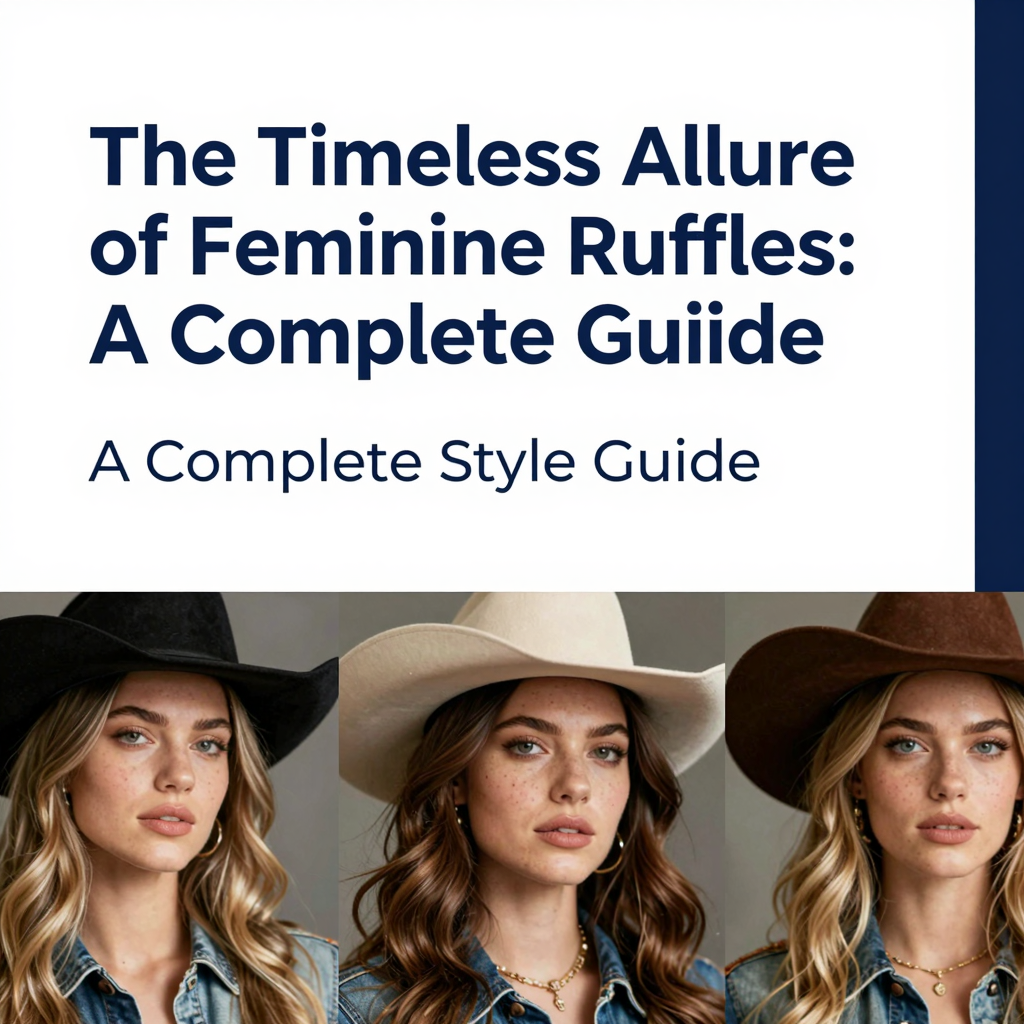
The Timeless Allure of Feminine Ruffles: A Complete Style Guide
Few design details in fashion carry the same romantic, expressive power as feminine ruffles. Whether they appear as a delicate cascade down a silk blouse, a dramatic flourish on a gown, or a subtle trim on a cotton sundress, ruffles have the unique ability to transform a simple silhouette into something memorable. They evoke movement, softness, and a sense of playful elegance that transcends seasons and trends. For anyone who loves clothing that feels both nostalgic and modern, understanding how to wear and appreciate ruffles is essential. This guide explores the history, styling strategies, and enduring charm of ruffles, helping you incorporate them into your wardrobe with confidence.
Ruffles are not merely decorative. They are a language of shape and texture. By adding volume, creating shadows, and drawing the eye along curves, ruffles can highlight the neckline, soften the shoulders, define the waist, or add drama to a hemline. In modern fashion, designers continuously reinterpret ruffles through innovative cuts, unexpected fabrics, and bold proportions. From minimalist runways to bohemian street style, feminine ruffles remain a versatile tool for self-expression. The key is knowing how to balance their inherent softness with your personal aesthetic, body shape, and the occasion. In the sections that follow, we will break down everything you need to know about wearing ruffles beautifully.
Many people assume that ruffles are reserved for ultra-girly or formal occasions, but this is far from the truth. With the right styling, ruffles can be edgy, professional, casual, or even minimalist. A sharply tailored blazer with a single ruffle detail at the cuff can feel powerful and chic. A ruffle-trimmed knit sweater can add comfort and charm to a weekend outfit. The versatility of ruffles makes them a valuable addition to any wardrobe, no matter your age or style personality. Let’s explore their rich history, the different types available, and the best ways to make them work for you.
The Fascinating History of Feminine Ruffles
Ruffles have a long and storied past that dates back centuries. Originally, they were not exclusively feminine at all. In the 16th and 17th centuries, elaborate ruffs and ruffled collars were worn by both men and women of high status. These early ruffles signified wealth, power, and refinement, often made from expensive lace and starched to dramatic stiffness. The more voluminous the ruff, the more prestige the wearer projected. Over time, as fashion evolved and gendered clothing became more distinct, ruffles began to be associated more strongly with femininity, delicacy, and romanticism.
During the Victorian era, ruffles became a staple of women’s fashion. Layers of ruffled petticoats, flounced skirts, and ruffled blouses emphasized modesty while celebrating the female form in a covered, ornate way. The Industrial Revolution made fabric production more accessible, allowing ruffles to be used more liberally. In the 20th century, ruffles experienced many revivals. The 1920s flapper dresses featured handkerchief hems and soft ruffled layers that moved beautifully on the dance floor. The 1950s embraced feminine silhouettes with ruffled necklines and full skirts. The 1970s and 1980s brought bold, dramatic ruffles in disco and rock styles, proving that ruffles could be both romantic and rebellious.
Today, ruffles continue to evolve. Modern designers use laser-cutting, asymmetric placement, and unconventional materials to give ruffles a contemporary edge. The historical weight of ruffles gives them a timeless quality, while their constant reinvention keeps them fresh. Understanding this heritage helps us appreciate why a simple ruffle can feel so evocative. It carries echoes of grandeur, romance, and artistic expression that few other details can match.
Why Ruffles Read as Feminine
The association between ruffles and femininity is deeply rooted in visual language and cultural history. Ruffles mimic natural forms like petals, waves, and clouds, all of which are often linked to softness and grace. They introduce curves and movement, creating a silhouette that appears more fluid and organic. In a world where structured tailoring and straight lines are often coded as masculine, ruffles provide a striking contrast. Their undulating edges and layered volume draw the eye in a gentle, rhythmic way, which many interpret as romantic or nurturing.
Additionally, ruffles often highlight areas traditionally considered feminine, such as the neckline, shoulders, wrists, and hem. A ruffle at the bust can enhance softness, while ruffled sleeves can make the arms look delicate. This visual emphasis on certain body areas reinforces the feminine aesthetic. However, it is important to remember that femininity is not a fixed concept. Modern styling allows anyone to embrace ruffles in a way that feels authentic, whether that means full-on romantic looks or just a subtle nod to softness. The power of ruffles lies in their ability to communicate emotion and personality through fabric and form.
Types of Feminine Ruffles
Not all ruffles are created equal. Understanding the different types can help you choose pieces that flatter your body and suit your style. Below are some of the most common ruffle styles you will encounter in women’s fashion.
- Flounce: A flounce is a wide, circular ruffle that is cut in a way that creates volume at the hem without adding bulk at the seam. Flounces are elegant and fluid, often found on skirts and sleeves.
- Cascade ruffle: This type runs diagonally down a garment, creating a spiral or waterfall effect. Cascade ruffles are dramatic and often used on dresses and blouses for a romantic, eye-catching look.
- Tiered ruffle: Multiple horizontal layers of ruffles stacked on top of each other. Tiered ruffles are common in maxi dresses and skirts, adding movement and bohemian charm.
- Ruffle trim: A narrow strip of gathered fabric applied to edges such as collars, cuffs, or hems. Ruffle trim is subtle and versatile, perfect for those who want a hint of femininity.
- Shoulder ruffle: Ruffles placed at the shoulder or neckline. These can range from small, delicate frills to bold, statement shoulders that frame the face.
- Asymmetric ruffle: A modern take where ruffles are placed unevenly, creating visual interest and a contemporary silhouette. Asymmetric ruffles add edge while keeping a soft feel.
Knowing these types allows you to make more intentional choices. A flounce might be better for a flowy summer dress, while a simple ruffle trim could be ideal for a work blouse. The type of ruffle affects the overall mood, volume, and how the garment moves, so pay attention to these details when shopping.
How to Style Feminine Ruffles for Every Occasion
Casual Daytime Looks
For everyday wear, the goal is to keep ruffles relaxed and approachable. A cotton or chambray blouse with a small ruffle at the neckline pairs beautifully with straight-leg jeans and white sneakers. This combination balances feminine detail with casual ease. Avoid overwhelming your frame by choosing one ruffled piece as the focal point and keeping the rest of the outfit simple. A tiered ruffle midi skirt can be dressed down with a tucked-in plain t-shirt and flat sandals for a breezy weekend look. The key is to let the ruffles add charm without making the outfit feel overly formal.
Another great casual option is a ruffled denim jacket or a knit sweater with ruffle sleeves. These pieces add subtle texture and interest to otherwise basic outfits. When wearing ruffles casually, opt for natural fabrics like cotton, linen, or soft knits. These materials keep the look grounded and comfortable, making the ruffle feel like an effortless part of your daily wardrobe rather than something reserved for special occasions.
Professional and Office-Ready Outfits
Wearing ruffles to work can be tricky, but when done right, they convey confidence and creativity. The best approach is to choose structured pieces with minimal, well-placed ruffles. For example, a tailored blouse with a vertical cascade ruffle can look polished and modern when paired with slim trousers and a blazer. Avoid excessive volume or overly sheer fabrics, which can read as too casual or distracting in professional settings. Stick to neutral colors like white, navy, black, or blush to keep the look sophisticated.
A pencil skirt with a small ruffle hem is another excellent office-friendly option. It adds a touch of femininity without compromising professionalism. Pair it with a simple knit top and pointed-toe heels. If you prefer a more understated look, choose garments with ruffle trim at the cuffs or collar. These small details show personality while maintaining a clean, business-appropriate silhouette. Remember that in a professional environment, ruffles should complement your expertise, not overshadow it.
Romantic and Evening Looks
For date nights, weddings, or formal events, ruffles can truly shine. A floor-length gown with cascading ruffles creates a stunning, ethereal effect that moves beautifully. Opt for fabrics like chiffon, silk, or tulle, which enhance the fluidity of ruffles. A dress with a ruffle-trimmed off-the-shoulder neckline is a timeless romantic choice that frames the face and collarbone elegantly. When wearing a dramatic ruffled dress, keep accessories minimal to let the garment be the star.
If a full ruffled gown feels too bold, consider a cocktail dress with a single asymmetric ruffle detail. This modern approach adds interest while remaining chic and wearable. Pair it with strappy heels and simple jewelry. For evening events, don’t be afraid to play with color. Rich jewel tones like emerald, burgundy, and sapphire give ruffles a luxurious, sophisticated mood. Darker colors also tend to make voluminous ruffles appear more slimming and refined.
Edgy and Modern Interpretations
Ruffles do not have to be purely sweet or romantic. Many designers use ruffles to create avant-garde, edgy looks. To achieve a modern, fashion-forward outfit, mix ruffles with unexpected pieces. For example, pair a ruffled leather jacket with black skinny jeans and combat boots. The contrast between the tough materials and the soft ruffle creates a dynamic, rebellious energy. A black ruffle-trimmed top can look sleek and powerful when worn with tailored trousers and bold accessories.
Asymmetric ruffles, in particular, lend themselves well to edgy styling. Look for pieces with uneven ruffle placement, sharp angles, or mixed fabrics. Color blocking with ruffles is another way to make the detail feel contemporary. A dress that combines a structured bodice with a ruffled skirt offers the best of both worlds: strength and softness. The goal is to subvert expectations and show that ruffles can be as fierce as they are feminine.
Choosing the Right Fabrics and Colors
The fabric you choose has a massive impact on how a ruffle behaves and how feminine it feels. Lightweight, flowing fabrics like chiffon, georgette, silk, and rayon create soft, delicate ruffles that move gracefully. These are ideal for romantic and evening looks. Heavier fabrics like cotton poplin, denim, and wool produce structured ruffles that hold their shape, making them more suitable for casual or professional outfits. Stiff fabrics can create bold, architectural ruffles that read as modern and edgy, while soft fabrics lean more romantic and ethereal.
Color also plays a crucial role in the overall effect of ruffles. Pastel shades like blush pink, lavender, baby blue, and mint enhance the soft, feminine quality of ruffles. Neutrals like ivory, beige, and gray create an elegant, understated look. Bold colors such as red, fuchsia, and cobalt make a dramatic statement. Dark shades like black, navy, and deep green can make ruffles feel more sophisticated and slimming. Monochromatic ruffle looks are also very chic, as they allow the texture of the ruffles to take center stage without competing with patterns. If you do choose prints, small florals, polka dots, and subtle stripes pair beautifully with ruffles, while large, busy prints may overwhelm the detail.
Flattering Your Body Shape with Ruffles
Ruffles can be used strategically to enhance or downplay different areas of the body. Understanding your body shape will help you choose ruffles that highlight your favorite features and create the balance you desire.
- Hourglass: Emphasize your waist with ruffles at the neckline or hem, and avoid excessive volume around the midsection. A wrap dress with ruffled sleeves or a ruffle-trimmed hem works well.
- Pear-shaped: Draw attention upward with ruffles at the shoulders or neckline. A ruffled blouse paired with a simple, dark-colored bottom balances the hips.
- Apple-shaped: Look for vertical cascade ruffles that create a lengthening effect. Avoid horizontal ruffles around the waist or stomach. Ruffle details at the hem or sleeves can draw the eye outward.
- Athletic/rectangle: Ruffles can create the illusion of curves. Tiered skirts, ruffled peplums, and shoulder details add volume and shape. Choose ruffles that add width at the hips and bust to enhance a curvier silhouette.
- Petite: Opt for smaller, delicate ruffles rather than overwhelming large ones. Position ruffles at the neckline or shoulders to draw the eye upward and create the illusion of height. Avoid too many horizontal tiers that can cut the body visually.
Remember that these are guidelines, not rules. The most important thing is to wear what makes you feel confident. Trying on different ruffle styles and observing how they interact with your natural shape is the best way to discover what works for you.
Accessorizing Ruffle Outfits
Accessories can make or break a ruffle-focused outfit. Since ruffles already add visual texture and detail, it is usually best to keep accessories minimal and well-chosen. Delicate jewelry, such as thin chains, small hoops, or stud earrings, complements ruffles without competing with them. If your ruffle detail is at the neckline, skip the necklace and opt for statement earrings instead. This keeps the focus on the ruffle and avoids visual clutter.
Belts can be a beautiful way to define the waist when wearing a ruffled dress or top. Choose a slim belt in a complementary color to add structure without overpowering the softness. For bags, consider simple shapes like a small clutch or a structured crossbody. Avoid overly embellished bags that might clash with the ruffles. Shoes should also be chosen with balance in mind. Pointed-toe flats or heels can add a sleek, modern counterpoint to the volume of ruffles. For casual looks, white sneakers or simple sandals keep the outfit grounded and effortless.
Seasonal Styling with Ruffles
Ruffles are not limited to spring and summer. With the right fabrics and layering, they can be worn beautifully all year long. In warmer months, lightweight cotton and linen ruffles in bright colors or soft pastels feel fresh and breezy. A ruffled sundress or a breezy ruffled blouse paired with shorts is perfect for summer. In the fall, transition to richer tones like rust, olive, and mustard. Layer a ruffled blouse under a denim or leather jacket for a stylish autumn look. Ruffle-trimmed cardigans are also cozy and feminine.
Winter styling with ruffles can be incredibly elegant. Look for ruffles in heavier fabrics like velvet, wool, or silk blends. A ruffled blouse in a dark jewel tone looks stunning under a tailored coat. For holiday parties, a velvet dress with ruffled sleeves or a ruffled hem is a festive choice. In spring, embrace floral ruffles and pastel shades to celebrate the season. Light trench coats with subtle ruffle details can add charm to rainy days. Layering is key, allowing you to enjoy feminine ruffles no matter the weather.
Caring for Ruffle Garments
Ruffles require a bit of extra care to maintain their shape and beauty. Always check the care label before washing. Many ruffled garments, especially those made from delicate fabrics like silk or chiffon, should be hand washed or dry cleaned. If machine washing is allowed, use a gentle cycle and place the item in a mesh laundry bag to protect the ruffles from snagging. Use cold water and mild detergent to preserve the fabric and color.
Drying is just as important. Avoid wringing out ruffle garments, as this can distort the shape. Instead, gently press out excess water with a towel and lay the item flat to dry. If you need to iron, use a low heat setting and place a pressing cloth between the iron and the fabric to protect delicate ruffles. For structured ruffles, steam is often the best option to remove wrinkles without flattening the volume. Proper storage is also essential. Hang ruffled garments on padded hangers or fold them carefully to avoid creasing. Taking these steps will keep your favorite ruffle pieces looking beautiful for years to come.
Embracing Feminine Ruffles with Confidence
The most important element of wearing feminine ruffles is confidence. Fashion is a form of self-expression, and ruffles offer a beautiful way to explore softness, romance, and creativity. Do not be afraid to experiment with different styles, proportions, and colors. Start with a small ruffle trim if you are new to the trend. As you become more comfortable, try bolder pieces like cascading ruffles or tiered maxi dresses. Pay attention to how the garment makes you feel. If you feel beautiful and empowered, that confidence will shine through.
Ruffles have a unique way of making an outfit feel special. They add movement, texture, and emotion that few other details can replicate. Whether you are dressing for a casual brunch, a day at the office, or a formal evening event, there is a ruffle style that can elevate your look. By understanding the history, types, and styling strategies, you can incorporate ruffles into your wardrobe in a way that feels authentic and modern. Feminine ruffles are not just a trend; they are a timeless expression of style and individuality.
Conclusion
Feminine ruffles are far more than a passing trend. They are a rich design element with a fascinating history and endless versatility. From delicate trims to dramatic cascades, ruffles can be adapted to suit every body shape, personal style, and occasion. By choosing the right fabric, color, and placement, you can use ruffles to enhance your natural beauty and express your unique personality. Whether you prefer a subtle touch or a bold statement, ruffles offer a way to embrace softness and elegance without sacrificing strength or modernity. As you continue to explore your personal style, remember that the most beautiful thing you can wear is confidence. With the insights in this guide, you are ready to make feminine ruffles a stunning part of your wardrobe.
-
Grunge Revival: How the Flannel-Clad Rebellion Is Taking Over Modern Fashion and Music
The grunge revival is no longer a niche nostalgia trip. It is a full-blown cultural movement that has moved from underground playlists and thrift store racks to high-fashion runways, mainstream radio, and the wardrobes of Gen Z. More than three decades after the original explosion of grunge in the early 1990s, the aesthetic, attitude, and sound of that era have returned with surprising force. But this is not a simple copy-and-paste of the past. The modern grunge revival blends the slouchy silhouettes, distressed textures, and raw emotional honesty of the original movement with contemporary concerns like sustainability, gender fluidity, and digital-age anxiety. What we are witnessing is not merely a trend cycle; it is a reinterpretation of rebellion for a generation that has inherited economic instability, climate dread, and an always-online culture that demands authenticity without polish.
To understand the significance of the grunge revival, it helps to remember what the original movement stood for. Born primarily in Seattle in the late 1980s and early 1990s, grunge was a reaction against the excesses of 1980s glam metal, corporate pop, and the polished perfection of mainstream culture. Bands like Nirvana, Pearl Jam, Soundgarden, Alice in Chains, and Mudhoney created a sound that was loud, muddy, and emotionally raw. In fashion, grunge meant thrifted flannel shirts, ripped denim, oversized knitwear, combat boots, and a deliberate disregard for matching or grooming. It was anti-fashion fashion, yet it quickly became a commodity when Marc Jacobs famously sent a grunge-inspired collection down the runway for Perry Ellis in 1992. The tension between grunge as an authentic subculture and grunge as a marketable aesthetic has always existed, and that same tension defines the current revival.
The present-day grunge revival draws on all of these elements but reshapes them through a contemporary lens. Social media platforms like TikTok, Instagram, and Pinterest have become the new Seattle, functioning as grassroots incubators where young people discover and remix grunge aesthetics. Hashtags such as #grungeaesthetic, #grungefashion, and #90sgrunge have amassed billions of views, and thrift hauls featuring oversized flannels and chunky boots routinely go viral. At the same time, major designers have once again embraced grunge. Collections from brands like Miu Miu, Alexander McQueen, and even fast-fashion houses have featured torn tights, plaid layers, leather jackets, and deliberately undone hair. The revival, however, is not simply about copying old photographs. It is about adapting the raw energy of grunge to a world that demands both individuality and social consciousness.
The Roots of the Modern Grunge Revival
The seeds of the current revival were planted long before the first viral TikTok video. In the late 2010s, a wave of young musicians began referencing 1990s alternative rock as a primary influence. Artists like Billie Eilish, Beabadoobee, Yungblud, and Olivia Rodrigo incorporated elements of grunge, punk, and emo into their music, often pairing distorted guitars with deeply personal, confessional lyrics. Billie Eilish’s early fashion sense—baggy clothes, neon roots, and a refusal to conform to pop star expectations—echoed the anti-glamour spirit of grunge. Olivia Rodrigo’s hit “good 4 u” borrowed heavily from the pop-punk and grunge playbook, with its driving guitars and sarcastic, raw emotional delivery. These artists did not necessarily call themselves grunge revivalists, but their success proved that audiences were hungry for music that felt messy, real, and emotionally unvarnished.
At the same time, the fashion industry began to look backward for inspiration. The 20-year nostalgia cycle, which is a well-documented phenomenon in fashion, landed squarely on the 1990s and early 2000s. As skinny jeans gave way to baggier silhouettes, and polished streetwear started to feel over-saturated, the slouchy, distressed look of grunge offered a compelling alternative. Thrift stores, already popular among environmentally conscious Gen Z consumers, became treasure troves for authentic flannel shirts, vintage band tees, and worn-in denim. The grunge revival was not just about looking a certain way; it was also about shopping a certain way. Buying secondhand and reworking old garments fit perfectly with the growing emphasis on sustainability and ethical consumption.
Furthermore, the economic and social conditions of the early 2020s created a fertile environment for grunge’s return. The original grunge movement emerged during a period of economic uncertainty and disillusionment with the American Dream. The current revival has arrived in the wake of a global pandemic, inflation, housing crises, and widespread burnout. Young people today face precarious job markets, climate anxiety, and the mental health toll of constant digital connection. Grunge’s aesthetic of dishevelment, its embrace of imperfection, and its lyrical themes of alienation and angst resonate deeply with a generation that feels perpetually exhausted by the pressure to perform success and happiness online. The revival is, in many ways, a visual and sonic expression of burnout.
Fashion as a Form of Soft Rebellion
One of the most visible aspects of the grunge revival is its impact on fashion. The modern iteration of grunge style is both recognizable and transformed. Core pieces include oversized flannel shirts, ripped or baggy jeans, baby tees, slip dresses layered over t-shirts, chunky platform boots, beanies, and worn leather jackets. Plaid remains the unofficial uniform of the movement, but it is now styled in ways that feel fresh and contemporary. A flannel shirt might be cropped, tied at the waist, worn as a jacket over a slip dress, or paired with cargo pants and a tiny shoulder bag. Layering is essential to the look, as is an intentional sense of dishevelment. Hair is often messy, makeup is smudged or deliberately minimal, and accessories are chosen to look accidentally assembled rather than carefully curated.
What makes the fashion revival particularly interesting is its relationship to gender. Original grunge fashion was relatively androgynous for its time, with men wearing dresses on stage and women rejecting the hyper-sexualized styles of 1980s pop. The current revival pushes this even further. Today’s grunge looks are often completely gender-neutral. Oversized silhouettes obscure the body, while skirts, layered tops, and combat boots are worn by people of all genders. The emphasis is on comfort, utility, and self-expression rather than adhering to traditional masculine or feminine ideals. This fluidity aligns with the values of Gen Z, who are more likely than previous generations to reject rigid gender categories in fashion and beyond.
The influence of the grunge revival is not limited to street style. High-fashion runways have embraced the aesthetic with enthusiasm. Designers have sent models down the runway in ripped knitwear, safety-pin embellishments, deconstructed tailoring, and heavy boots. The deliberately “undone” look has become a luxury statement, with distressed sweaters selling for hundreds or even thousands of dollars. This commodification is, of course, ironic given grunge’s anti-establishment roots. But it also speaks to the enduring power of the aesthetic. When high fashion co-opts a subculture, it often signals that the subculture has reached a peak of cultural relevance. The same thing happened in 1992, and it is happening again now. The difference is that social media has accelerated the cycle, allowing the look to spread globally within weeks rather than months.
Key Pieces of the Grunge Revival Wardrobe
For anyone looking to incorporate the grunge revival into their wardrobe, a few essential items form the foundation of the look. These pieces are versatile, widely available in thrift stores, and easy to mix with more contemporary items.
- Oversized flannel shirt: The ultimate grunge staple. Look for authentic vintage plaids in earthy tones like rust, forest green, mustard, and faded red. Wear it open over a band tee, tied around the waist, or buttoned up as a lightweight jacket.
- Ripped or baggy jeans: The silhouette has shifted from the skin-tight skinny jeans of the 2010s to looser, more relaxed fits. Rips, frayed hems, and visible mending add to the lived-in feel.
- Combat boots: Chunky, lace-up boots ground the look and add a practical, utilitarian edge. Platform versions are especially popular, offering height while remaining walkable.
- Slip dress or baby tee: For layering. A satin slip dress worn over a simple white t-shirt with boots is a classic 90s grunge formula that still works today. Baby tees with faded graphics or band logos add a softer, more fitted contrast to baggy layers.
- Worn leather or denim jacket: A slightly oversized jacket with visible wear, patches, or pins adds texture and personality. The more broken-in, the better.
- Beanies and chunky scarves: Accessories keep the look cozy and practical, especially in colder months. Look for slouchy beanies in neutral colors or faded knits.
The Soundtrack of the Revival
The musical component of the grunge revival is just as important as the fashion. While no single band has replicated the seismic impact of Nirvana, a new wave of artists is carrying the torch of loud guitars, introspective lyrics, and raw production. The genre boundaries have loosened considerably, blending grunge with elements of pop, hip-hop, and electronic music. This fusion reflects the way young listeners consume music today, where playlists mix genres freely and artists are less concerned with fitting into a single category.
Artists like Wednesday, Momma, Mannequin Pussy, and Feeble Little Horse have been praised by critics for their noisy, emotionally charged sound that recalls the best of 90s alternative rock. Their music often deals with themes of mental health, identity, and social alienation, echoing the lyrical concerns of Kurt Cobain, Eddie Vedder, and Layne Staley. At the same time, mainstream pop stars have incorporated grunge elements into their work. Billie Eilish’s whispery vocals and dark production owe a debt to trip-hop and alt-rock, while Olivia Rodrigo’s louder moments channel the cathartic anger of riot grrrl and pop-punk. Even artists like Post Malone and Machine Gun Kelly have experimented with distorted guitars and rock aesthetics, further blurring the lines between genres.
Streaming platforms and social media have played a crucial role in the musical revival. TikTok has become a powerful engine for discovering older grunge tracks and introducing them to new audiences. Songs by Nirvana, Hole, Pixies, and Sonic Youth regularly soundtrack viral videos, sending curious listeners down a rabbit hole of 90s alternative music. Algorithms reward short, emotionally resonant clips, and grunge’s raw, angsty energy fits perfectly with the platform’s culture of authenticity and vulnerability. As a result, a teenager in 2025 might discover “Heart-Shaped Box” through a fashion video, then explore the entire Seattle scene through curated playlists and recommendation algorithms. The music revival is not just about nostalgia; it is an active, evolving conversation between past and present.
Grunge Revival Artists to Watch
If you are looking to build a modern grunge playlist, these artists and bands are worth exploring. They represent different corners of the revival, from faithful guitar rock to genre-blending experimentation.
- Wednesday: A North Carolina band whose noisy, country-tinged indie rock feels both chaotic and deeply emotional. Their album “Rat Saw God” is a modern classic of the revival.
- Momma: Their catchy, guitar-driven songs draw heavily from 90s alt-rock, with crunchy riffs and vocal harmonies that nod to bands like Veruca Salt and The Breeders.
- Mannequin Pussy: A punk and grunge-adjacent band known for their ferocious live shows and unapologetic emotional honesty. Their music swings from tender to explosive.
- Feeble Little Horse: A younger band whose noisy, lo-fi sound has earned comparisons to early Pavement and Sonic Youth, though they bring their own playful, modern sensibility.
- Slow Pulp: A band that blends dreamy textures with grunge distortion, creating a sound that is both soothing and unsettling.
- Snail Mail: Lindsey Jordan’s project leans more indie rock, but her emotionally raw lyrics and guitar-heavy arrangements fit comfortably within the revival’s broader orbit.
Why Gen Z Is Embracing Grunge Now
The generational appeal of the grunge revival is not accidental. Gen Z has grown up in a world saturated with curated social media feeds, influencer culture, and the relentless pressure to present a polished, successful image. The original grunge movement rejected the glossy perfection of its own era, and that rejection resonates powerfully today. Wearing deliberately messy layers, listening to emotionally raw music, and embracing a certain level of unkemptness becomes a form of resistance against the performative perfection of Instagram and TikTok. It says, in effect, “I am not going to perform flawlessness for you.”
There is also a practical dimension to the revival’s appeal. Grunge fashion is inherently thrift-friendly. The look is built on secondhand finds, vintage pieces, and DIY alterations, which aligns perfectly with Gen Z’s commitment to sustainability and ethical consumption. Fast fashion is increasingly viewed as both environmentally destructive and creatively bankrupt, while thrifting offers a way to consume more consciously and develop a unique personal style. The grunge revival rewards the patience and effort required to find a perfectly worn-in flannel or a pair of vintage combat boots. In a world of mass-produced sameness, these one-of-a-kind pieces feel genuinely special.
Mental health is another crucial factor. The original grunge movement was deeply intertwined with conversations about depression, anxiety, addiction, and alienation. Songs like Nirvana’s “Lithium,” Pearl Jam’s “Black,” and Alice in Chains’ “Nutshell” addressed emotional pain with unflinching honesty. Gen Z is far more open about mental health struggles than previous generations, and the grunge revival provides a cultural vocabulary for expressing those feelings. The aesthetic itself—messy, raw, and unpolished—functions as a visual representation of the internal turmoil that many young people experience but are often pressured to hide. In embracing grunge, they are signaling that it is okay to not be okay.
How to Style the Grunge Revival Without Looking Like a Costume
One of the biggest challenges of embracing any revival is avoiding the trap of looking like you are wearing a Halloween costume. The grunge revival is not about perfectly recreating a 1993 photograph; it is about capturing the spirit of the look and adapting it to your own life. The key is to mix vintage-inspired pieces with contemporary items and to prioritize comfort and authenticity over strict adherence to a template.
Start with one or two iconic grunge pieces and build your outfit around them. For example, pair an oversized flannel shirt with sleek, modern trousers and clean sneakers. Or wear a vintage band tee tucked into high-waisted jeans with a tailored blazer. The contrast between the rough and the polished keeps the look feeling current. Avoid buying an entire “grunge” outfit from a fast-fashion retailer, as this often results in a costume-like appearance. Instead, invest time in thrift stores, vintage shops, and online resale platforms where you can find authentic pieces with real history and character.
Pay attention to fit and proportion. The modern grunge silhouette is intentionally slouchy, but it should still feel intentional. If you are wearing an oversized flannel, balance it with something more fitted underneath, like a crop top or a thin knit. If your jeans are extremely baggy, choose a slightly more fitted top to avoid being swallowed by fabric. Layering is essential, but it should feel functional and comfortable rather than fussy. The goal is to look effortlessly assembled, even if the effort is real. Personal details like patches, pins, hand-stitched repairs, and unique accessories help make the look your own.
The Future of the Grunge Revival
Like all cultural cycles, the grunge revival will eventually evolve. Some critics argue that it has already peaked, pointing to the inevitable saturation of 90s nostalgia in fashion and media. But the revival’s deeper roots suggest that its influence will linger far longer than a typical trend. The values it embodies—authenticity, sustainability, emotional honesty, and rejection of polished perfection—are not fleeting. They are increasingly central to how a generation defines itself. Even as silhouettes shift and new musical genres emerge, the grunge spirit of raw self-expression and anti-corporate skepticism will likely persist in new forms.
Technology will continue to reshape the revival. Virtual try-on tools, AI-assisted thrift shopping, and digital fashion collections may make it easier than ever to curate a personal grunge-inspired aesthetic without buying new goods. Social media will keep introducing the sound and look to new audiences, while algorithms will surface obscure 90s bands to listeners who would never have discovered them otherwise. The revival may also become more global, blending grunge with regional styles from around the world, creating hybrid aesthetics that reflect an interconnected, multicultural generation.
Ultimately, the grunge revival is a reminder that culture is cyclical, but it is never static. The original grunge movement burned brightly and faded quickly, but its embers never fully died. They have been rekindled by a new generation that finds meaning in the mess, truth in the distortion, and community in the shared experience of feeling out of place. Whether you are layering a vintage flannel over a slip dress, blasting a noisy guitar riff through your headphones, or simply embracing the idea that imperfection is beautiful, you are participating in a conversation that began decades ago and continues to evolve. The grunge revival is not just a look or a sound; it is a way of being that refuses to pretend everything is fine when it is not. And that is a message that never goes out of style.
Conclusion
The grunge revival is far more than a nostalgic fashion moment. It is a complex cultural movement that fuses the raw, anti-establishment energy of the 1990s with the social, economic, and technological realities of the present. From thrifted flannels and chunky boots to noisy guitars and emotionally vulnerable lyrics, the revival offers a powerful counterpoint to the polished demands of modern life. For a generation navigating burnout, climate anxiety, and the pressure of constant online performance, grunge provides both a visual language and a musical soundtrack for authenticity, imperfection, and resilience. As the trend continues to evolve, one thing remains clear: the desire to feel real in an increasingly artificial world will always find a way to express itself. The grunge revival is that expression, loud and unapologetic, and it is here to stay in one form or another for years to come.
-
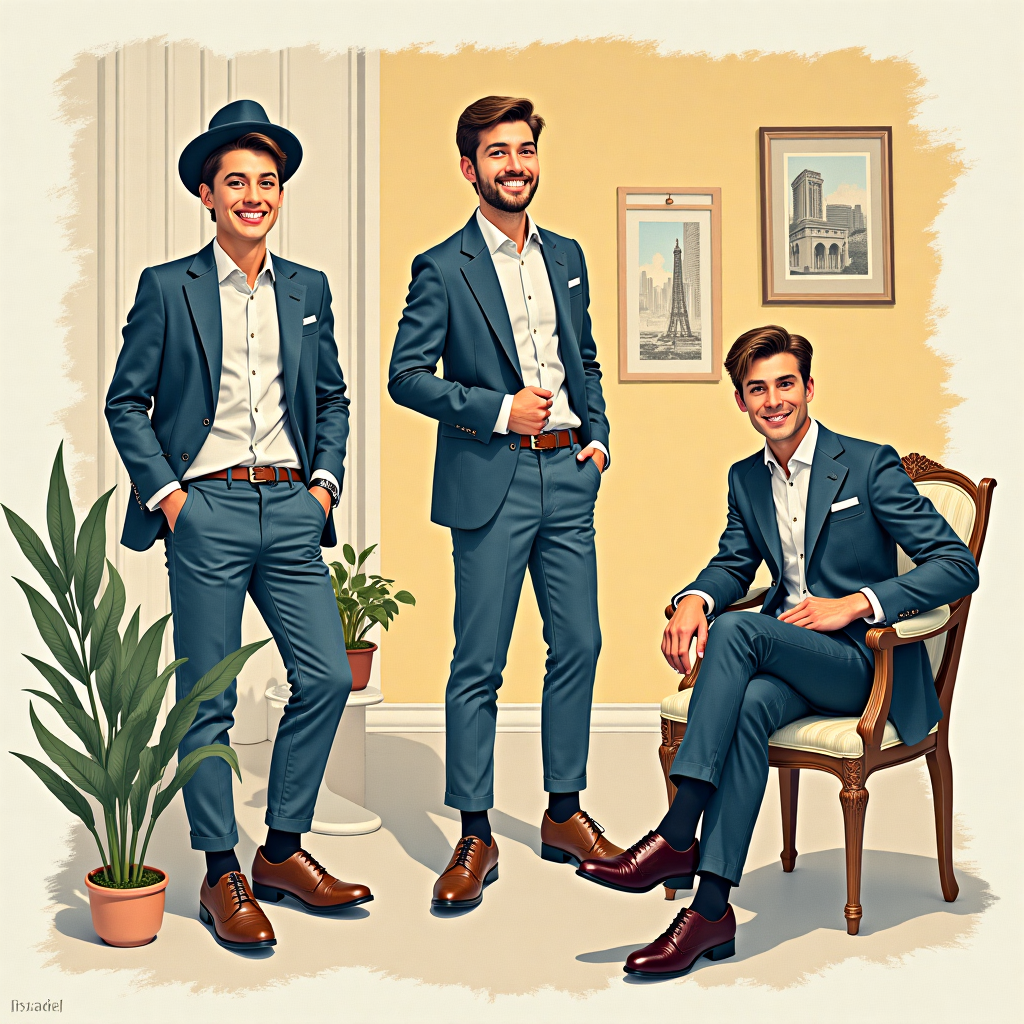
The Art of Old-Money Elegance: Timeless Style, Understatement, and Quiet Luxury
There is a particular kind of sophistication that never shouts, never trends, and never fades. It is the quiet confidence of a well-cut blazer, the soft drape of a cashmere sweater, the unassuming gleam of a family signet ring. This is old-money elegance — a phrase that has moved from the private clubs of the East Coast to the global conversation about style, culture, and class. But old-money elegance is not simply about being wealthy. It is a language of restraint, heritage, and intentional living. In a world saturated with fast fashion, loud logos, and performative luxury, old-money elegance stands as a counterpoint: a reminder that true style is rooted in substance, not spectacle.
Understanding old-money elegance requires us to look beyond the surface. It is not a costume you can buy in a single shopping trip, nor is it a trend dictated by influencers. It is a philosophy that shapes how you dress, speak, furnish your home, and treat others. It values longevity over novelty, craftsmanship over branding, and discretion over display. This article explores the essence of old-money elegance, its sartorial codes, its lifestyle implications, and how anyone can cultivate a sense of timeless refinement without pretending to be something they are not.
What Is Old-Money Elegance?
Old-money elegance refers to the aesthetic and behavioral codes traditionally associated with families whose wealth has been inherited over multiple generations. Unlike new money, which often seeks to broadcast success through visible symbols, old money tends to favor privacy, continuity, and understatement. The homes are often older, the clothing well-worn but impeccably maintained, and the social calendar revolves around family, education, and philanthropy rather than public spectacle. The elegance is not in the price tag, but in the absence of effort — or rather, the appearance of effortlessness achieved through years of ingrained habit.
At its core, old-money elegance is about editing. It is the deliberate act of choosing fewer, better things and then living with them long enough that they become part of one’s identity. A weathered leather briefcase, a pair of loafers resoled three times, a wristwatch inherited from a grandfather — these items carry stories. They are not discarded at the end of a season. This relationship with material possessions is fundamentally different from the cycle of constant consumption that defines modern consumer culture. Old-money elegance asks: What is worth keeping? And the answer is always quality, meaning, and permanence.
It is important to note that old-money elegance is not necessarily about being rich. Many people who admire or embody the aesthetic may never have a trust fund. What they share is a set of values: respect for tradition, appreciation for craftsmanship, a preference for subtlety, and a rejection of ostentation. In this sense, old-money elegance is accessible to anyone willing to slow down, think carefully, and invest in fewer things of greater value.
The Philosophy: Understatement Over Excess
If there is one principle that defines old-money elegance, it is understatement. The old-money aesthetic is built on the idea that confidence does not need to announce itself. A person who is truly secure does not require logos to prove their worth. This is why quiet luxury — a term closely related to old-money style — favors garments with no visible branding. The quality speaks through the fabric, the fit, and the way the garment moves. When you wear a beautifully tailored navy blazer made from English wool, there is no need for a monogram on the chest. The object itself is enough.
This philosophy extends beyond clothing. In conversation, old-money elegance favors listening over dominating. In home décor, it favors patina over perfection. In gift-giving, it favors thoughtful, personal items over expensive showpieces. The underlying logic is the same: excess is a form of insecurity. When you need to display wealth, you reveal a dependence on external validation. Old-money elegance, by contrast, operates from a place of internal assurance. It is the difference between a room painted in loud gold and a room with faded Oriental rugs and well-loved leather chairs. One asks for attention; the other simply exists, comfortable in its own history.
This is not to say that old-money elegance is boring or lacking in personality. On the contrary, it allows for deep individual expression within a framework of restraint. A single piece of heirloom jewelry, a distinctive family tartan, a well-chosen first edition book — these details reveal character in ways that a wall of designer shopping bags never could. The elegance lies in the curation, not the accumulation.
Wardrobe Essentials for Old-Money Elegance
The old-money wardrobe is not large, but it is deliberate. It is built around pieces that transcend seasons and trends. The goal is to create a uniform of quiet confidence that can be worn for years, even decades. Below are the foundational elements of an old-money-inspired wardrobe.
Tailoring and Fit
Nothing undermines old-money elegance faster than ill-fitting clothing. The old-money wardrobe prioritizes tailoring above all else. A relatively inexpensive blazer that has been altered to fit your shoulders, waist, and sleeve length will always look more elegant than a designer jacket that hangs poorly. Historically, old-money families did not necessarily buy more clothes than anyone else; they simply had them made or altered to fit perfectly. Today, you can achieve the same effect by developing a relationship with a good tailor and buying fewer pieces that are worth altering.
For men, the core tailored pieces include a navy blazer, a charcoal or grey suit, and well-cut trousers in wool or cotton. For women, the equivalents might be a tailored blazer, a sheath dress, and trousers with a clean line. The key is proportion. Old-money elegance avoids anything too tight or too loose. The silhouette should skim the body, allowing ease of movement without appearing sloppy. Shoulders should lie flat, hems should break cleanly, and collars should sit properly. This attention to fit signals respect for oneself and for the occasion.
The Color Palette
Old-money style is famously restrained in color. The palette draws heavily from nature and tradition: navy, cream, camel, olive, burgundy, forest green, charcoal, and brown. These colors are flattering, versatile, and unlikely to look dated. They also pair easily with one another, which simplifies the process of getting dressed. A navy blazer over a cream sweater, camel trousers, and brown suede loafers is a quintessential old-money outfit for both men and women. The look is cohesive without being matchy, polished without being stiff.
Prints are used sparingly. If patterns appear, they are likely to be classic: a subtle herringbone, a muted plaid, a delicate stripe, or a foulard tie. The old-money aesthetic avoids loud logos, neon hues, and anything that could be described as “statement.” Instead, it relies on texture and quality to create visual interest. A cashmere crewneck in oatmeal, a tweed jacket with a barely visible windowpane, a silk scarf in a faded equestrian print — these are the details that elevate an outfit without shouting.
Fabric and Quality
Fabric is the soul of old-money elegance. The preference is for natural materials that age beautifully: wool, cashmere, cotton, linen, silk, and leather. These materials breathe, drape well, and develop a patina over time. They may require more care than synthetics, but they reward that care with longevity. An old-money wardrobe is not replaced each season; it is maintained, repaired, and handed down. A good cashmere sweater, properly stored and occasionally de-pilled, can last a decade or more. A pair of leather loafers can be resoled for years.
Look for fabrics with weight and substance. A heavy cotton oxford shirt will outlast a flimsy poplin. A dense wool flannel trouser will hold its shape better than a thin blend. In outerwear, a waxed cotton jacket or a quilted vest offers practicality and heritage. In knitwear, a lambswool or cashmere crewneck in a neutral shade is a cornerstone. The tactile quality of these materials is part of the pleasure of dressing. Old-money elegance is not about denying comfort; it is about finding comfort in quality rather than in sloppiness.
Key Pieces for Men and Women
While old-money style is not strictly gendered, there are certain pieces that recur in the wardrobes of those who embody the aesthetic. Consider the following list as a starting point:
- The Navy Blazer: A single-breasted, two-button blazer in wool, with or without brass buttons. It is the workhorse of old-money style, equally at home with jeans or tailored trousers.
- The Button-Down Oxford Shirt: Preferably in white, blue, or pink. The oxford cloth button-down is a nod to Ivy League heritage and looks better the more it is washed.
- The Cashmere Crewneck: In camel, navy, or grey. It can be draped over the shoulders or worn alone.
- The Trench Coat: A classic beige trench in cotton gabardine. It is practical, elegant, and never goes out of style.
- The Loafers: Penny loafers in brown or black leather, or suede for warmer months. They are the bridge between casual and formal.
- The Silk Scarf: For women especially, a small silk scarf tied at the neck or on a handbag adds a whisper of heritage.
- The Sheath Dress: For women, a simple knee-length dress in a solid color or subtle pattern, worn with low heels and a structured bag.
- The Signet Ring or Family Crest: A small heirloom piece that carries personal meaning, worn discreetly.
Grooming and Accessories
Old-money elegance extends to grooming and accessories, where the same principles of restraint and maintenance apply. Hair is neat but not overly styled. For men, a classic short back and sides or a naturally combed look is more in keeping than an elaborate fade or extreme length. For women, hair is often simple — a low ponytail, a neat bob, or hair worn down with a natural wave. The goal is polish without perfection. Overly styled hair can look as try-hard as an over-logoed handbag.
Accessories are chosen for function and heritage rather than flash. A leather belt should match the shoes. A wristwatch should be understated — think a simple round face, a leather or stainless steel band, and no diamonds or excessive complications. A family signet ring, a strand of pearls, or a small pair of gold hoop earrings can be worn daily. The rule is simple: if an accessory draws attention for its logo or size, it is probably too much. Accessories should complement, not dominate.
Footwear is especially important. Old-money elegance favors well-maintained leather shoes with classic lines. For men, oxfords, derbies, and penny loafers in brown or black are staples. For women, a low block heel, a ballet flat, or a leather riding boot works beautifully. Sneakers are acceptable in casual settings, but they tend to be simple, clean, and unbranded — a white leather court shoe or a classic canvas style. The condition of shoes speaks volumes. Scuffed, worn heels undermine an otherwise elegant outfit, while polished shoes signal care and self-respect.
Home and Lifestyle: Elegance Beyond Fashion
Old-money elegance is not confined to the wardrobe. It is a way of living that values comfort, history, and authenticity in the home and daily routines. The old-money home is rarely a showplace. It is a place of lived-in beauty: faded Persian rugs, oil paintings of ancestors, bookshelves filled with well-read volumes, and furniture that has been repaired rather than replaced. There is a sense of continuity — the dining table may have been used for three generations, the silver may be slightly tarnished, the armchair may bear the imprint of its owner. These imperfections are not flaws; they are evidence of a life fully lived.
Entertaining in the old-money style is similarly relaxed and meaningful. Dinner parties are not about impressing guests with elaborate centerpieces or rare ingredients. They are about good conversation, simple but well-prepared food, and a table set with care. A dinner of roast chicken, seasonal vegetables, and a good but not ostentatious wine is far more elegant than a multi-course spectacle designed to display wealth. The host or hostess is calm, attentive, and present. The emphasis is on connection, not performance.
Leisure pursuits also reflect old-money values. Many old-money families have ties to country life: riding, shooting, sailing, gardening, and walking. These activities require a certain kind of wardrobe — Barbour jackets, quilted vests, tweed caps, wellington boots — that has become part of the old-money aesthetic. But more importantly, they reflect a relationship with the natural world and with tradition. Old-money elegance is grounded in the land, the seasons, and the rhythms of rural life. Even if you live in a city, you can cultivate this by valuing walks, gardens, and time outdoors as part of a balanced life.
Old-Money Etiquette and Manners
Perhaps the most overlooked aspect of old-money elegance is manners. True elegance is not just about how you look; it is about how you make others feel. Old-money etiquette is rooted in consideration, discretion, and respect for others. It is not about rigid rules or social climbing. It is about making people comfortable, listening attentively, and never embarrassing others. In conversation, old-money elegance avoids discussing money, status, or personal achievements. It favors curiosity, humility, and a genuine interest in the other person.
This kind of etiquette extends to the small, everyday courtesies: arriving on time, sending thank-you notes, dressing appropriately for the occasion, and treating service staff with respect. These behaviors signal an awareness that one is not the center of the universe. They are the opposite of entitlement. A person with old-money elegance does not need to assert their importance because they are secure in it. They can afford to be generous, patient, and kind.
In a world where rudeness is often mistaken for confidence, old-money manners are a quiet form of rebellion. They demonstrate that true strength lies in self-possession, not in dominating others. Whether you are at a formal dinner or a casual coffee, the way you treat others is a more accurate measure of elegance than any outfit.
How to Cultivate Old-Money Elegance Today
Cultivating old-money elegance is less about spending money and more about changing your relationship with consumption and self-presentation. Begin by editing your wardrobe. Remove items that are worn out, ill-fitting, or excessively trendy. Keep the pieces that are well-made, versatile, and in colors that flatter you. Build a small collection of quality basics, and commit to wearing them repeatedly. Over time, you will find that getting dressed becomes easier and more enjoyable.
Next, invest in tailoring. Take your favorite garments to a tailor and have them adjusted to fit your body. This single step can transform a mediocre wardrobe into an elegant one. When shopping, prioritize natural fabrics and classic silhouettes. Avoid anything with visible logos or exaggerated proportions. Ask yourself whether a piece will still look good in five years. If the answer is no, leave it behind.
Beyond clothing, cultivate old-money elegance through your habits. Read widely. Learn about art, history, and literature. Develop your conversation skills by listening more than you speak. Practice discretion — not everything needs to be posted on social media. Spend time in nature. Learn to appreciate quiet moments. Entertain friends with simple meals and genuine warmth. These practices will shape your character, and character is the foundation of true elegance.
Common Mistakes to Avoid
Many people misunderstand old-money elegance and end up with a costume rather than a personal style. The first mistake is over-accessorizing. Piling on pearls, signet rings, and headbands in an attempt to look “old money” is counterproductive. Old-money style is spare. Choose one or two meaningful accessories and let them breathe. The second mistake is wearing brand logos. A Gucci belt with a giant buckle is the antithesis of quiet luxury. If you want to signal discernment, let the quality of the materials do the talking.
Another common mistake is neglecting fit. Buying expensive clothes and wearing them off the rack without alteration is a wasted opportunity. A tailored $80 blazer will always look better than an untailored $800 blazer. Similarly, avoid overly trendy silhouettes. The old-money aesthetic is not about following fashion week; it is about staying true to timeless proportions. Finally, do not confuse old-money elegance with snobbery. Looking down on others is never elegant. The true old-money attitude is one of graciousness and humility.
Conclusion
Old-money elegance is not a destination; it is a way of moving through the world. It is the quiet confidence that comes from knowing what you value and refusing to be swayed by the noise of trends. It is the choice to invest in quality rather than quantity, to speak with kindness rather than volume, and to live with a sense of history and purpose. In a culture obsessed with novelty and display, old-money elegance offers an alternative: a life of restraint, refinement, and genuine comfort.
Whether you inherit a family estate or simply a love of well-made things, you can embody this aesthetic. It begins with editing your wardrobe, minding your manners, and slowing down enough to appreciate the patina of a life well lived. Old-money elegance is not about having more; it is about needing less and choosing well. In the end, that is the most luxurious statement of all.
-
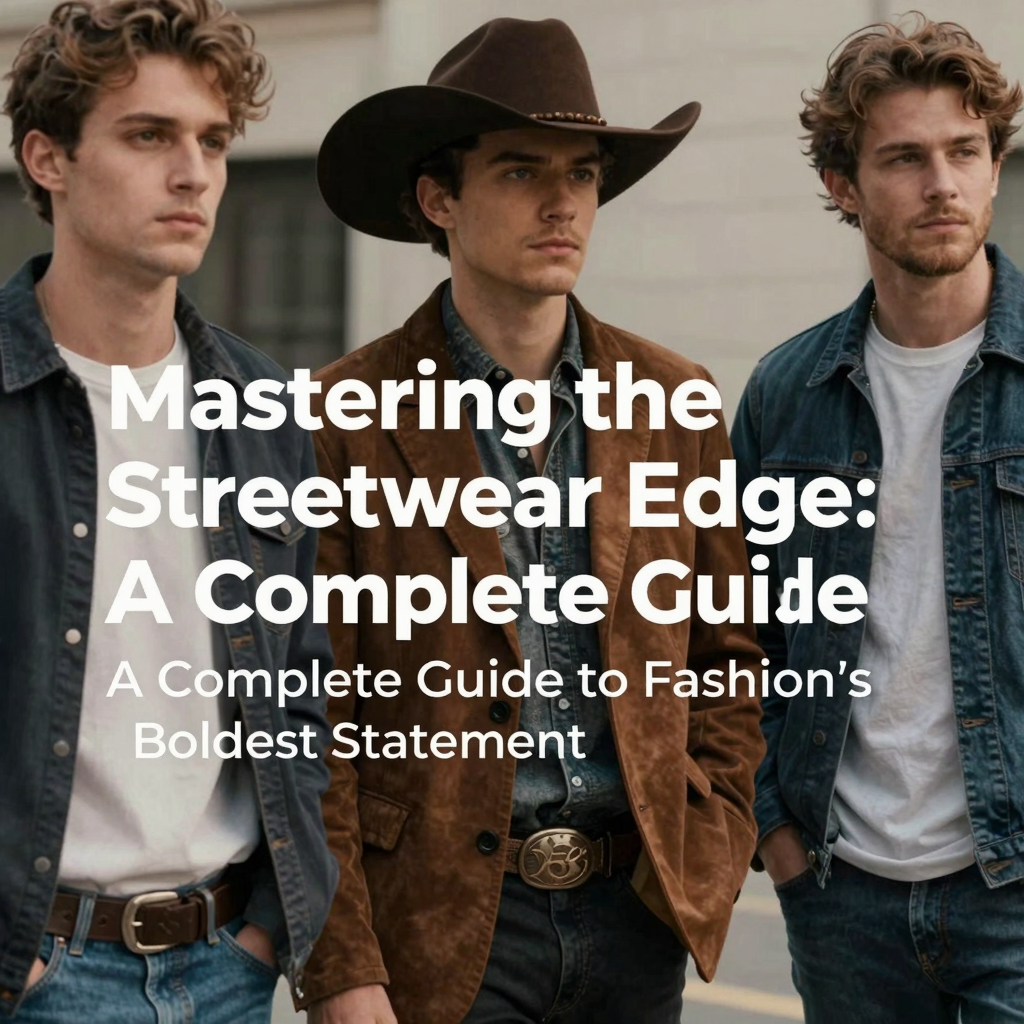
Mastering the Streetwear Edge: A Complete Guide to Urban Fashion’s Boldest Statement
Streetwear has evolved from an underground subculture into one of the most influential forces in global fashion. What began as a blend of skateboarding, hip-hop, surf, and punk aesthetics now drives runway collections, resale markets, and everyday wardrobes around the world. At the center of this movement is the streetwear edge—that unmistakable combination of rebellion, comfort, and high-fashion sensibility that turns a basic outfit into a statement. Understanding how to cultivate the streetwear edge is not simply about buying expensive sneakers or oversized hoodies. It is about learning to balance proportion, texture, color, and attitude in a way that feels both effortless and intentional. For anyone looking to sharpen their personal style, mastering the streetwear edge offers a path to dressing with confidence, creativity, and cultural awareness.
The modern streetwear edge sits at the intersection of luxury and utility. It borrows the grit of city streets, the precision of Japanese design, the nonchalance of skate culture, and the boldness of hip-hop’s golden era. The result is a style that can be relaxed but never sloppy, minimal but never boring, and aggressive but never costume-like. In this guide, we will explore the essential pieces, styling strategies, cultural roots, common mistakes, and future trends that define the streetwear edge. Whether you are building your first capsule wardrobe or refining an already advanced rotation, these insights will help you create looks that command attention without losing authenticity.
What Defines the Streetwear Edge?
The streetwear edge is often misunderstood as simply wearing expensive logo-heavy clothing. In reality, the edge comes from how garments interact with each other and with the wearer. It is an attitude expressed through silhouette, layering, and the subtle tension between polished and raw elements. A sharply tailored trench coat thrown over a distressed graphic hoodie, or a pair of technical cargo pants paired with an elegant knit sweater, creates a visual contrast that feels intellectually sharp. The edge is not about volume or noise; it is about deliberate friction between different fashion languages.
At its core, the streetwear edge thrives on contradiction. It mixes masculine and feminine, oversized and fitted, vintage and futuristic, luxurious and utilitarian. This tension creates depth and prevents outfits from becoming predictable. A well-executed streetwear look often includes one unexpected element that challenges the viewer’s expectations. That element might be an unusual proportion, a rare vintage piece, a high-fashion accessory, or a bold graphic with cultural significance. When these contradictions are handled with confidence, the result is a style that feels genuinely contemporary.
The Core Elements of an Edgy Streetwear Look
To build a strong foundation, it helps to understand the core elements that contribute to the streetwear edge. These are not rigid rules, but recurring principles that appear across the best streetwear outfits:
- Oversized silhouettes: Boxy tees, wide-leg pants, and exaggerated outerwear create a relaxed yet dominant presence.
- Layering: Multiple layers add dimension and allow you to play with length, color blocking, and texture contrast.
- Graphic language: Logos, artwork, band references, and political or cultural statements give clothing a voice.
- Technical fabrics: Nylon, ripstop, Gore-Tex, and performance materials bring a utilitarian, future-forward feel.
- Luxury accents: Premium leather, fine jewelry, or tailored pieces elevate the look beyond basic casual wear.
- Footwear dominance: Sneakers often serve as the focal point, anchoring the entire outfit with color and shape.
- Accessories with intent: Beanies, caps, bags, chains, and sunglasses complete the look and reinforce personality.
Building a Wardrobe with Streetwear Edge
Creating a wardrobe that consistently delivers the streetwear edge requires more than chasing trends. It requires a curated collection of versatile pieces that can be mixed and matched in unexpected ways. Start with a neutral base, then layer in statement items that reflect your personal taste. The goal is to have enough variety to create contrast while maintaining a coherent visual language. A well-built streetwear wardrobe should feel like a toolkit: each piece has a purpose, and the combinations are nearly endless.
When selecting pieces, pay close attention to fabric weight and drape. The streetwear edge often comes from how material falls on the body. Heavy cotton, stiff denim, crisp nylon, and soft knits all behave differently and can transform the same silhouette. For example, an oversized hoodie in heavyweight fleece will hold its shape and look structured, while a lighter cotton version may drape more softly and feel more relaxed. Understanding these subtle differences allows you to control the mood of an outfit.
Essential Pieces for an Edgy Streetwear Wardrobe
- Oversized graphic hoodie: A statement hoodie with a strong graphic or logo is the backbone of streetwear layering.
- Boxy or cropped t-shirt: Heavyweight tees with dropped shoulders create a clean, modern silhouette.
- Wide-leg cargo pants: Utility details, adjustable straps, and roomy cuts add both function and visual interest.
- Straight or baggy denim: Raw or washed denim with a relaxed fit grounds the look in classic streetwear tradition.
- Technical shell jacket: A water-resistant or windproof jacket in black, olive, or grey adds a sleek, performance-driven edge.
- Longline coat or oversized blazer: Tailoring mixed with streetwear creates a high-low contrast that feels sophisticated.
- Statement sneakers: One or two pairs of bold sneakers can define the color palette and energy of your entire wardrobe.
- Minimal accessories: A clean cap, silver chain, and functional crossbody bag are versatile finishing touches.
Layering for Impact
Layering is one of the most powerful tools for achieving the streetwear edge. A simple outfit becomes complex when you add a long tee under a cropped jacket, or a hood under a structured coat. The key is to vary lengths and textures so that each layer is visible and contributes to the overall shape. For example, a white elongated t-shirt peeking out from under a black boxy hoodie adds a crisp line that draws the eye downward. Adding a nylon overshirt or a denim jacket on top creates depth without overwhelming the silhouette.
When layering, consider temperature and proportion. In colder months, a thermal base layer, flannel shirt, hoodie, and puffer vest can create a richly textured look. In warmer weather, lightweight mesh tops, open button-ups, and breathable technical jackets keep the layered effect without overheating. The streetwear edge does not require suffering for fashion; it rewards smart choices that look good and function well.
Styling the Streetwear Edge for Different Contexts
One of the strengths of the streetwear edge is its versatility. With minor adjustments, the same core wardrobe can be styled for casual daytime activities, creative workplaces, or evening events. The key is to modulate the level of formality through fabric choice, tailoring, and accessories. A distressed hoodie and baggy jeans might be perfect for a weekend hangout, but adding a tailored overcoat and clean leather sneakers can make the outfit appropriate for a gallery opening or a creative office.
Casual Daytime Looks
For everyday wear, comfort is paramount, but that does not mean sacrificing edge. Start with a heavyweight graphic tee or hoodie in a muted tone, then add cargo pants or relaxed denim. Choose sneakers with a strong silhouette—chunky, retro, or technical—to anchor the outfit. Keep accessories minimal but intentional: a beanie, a crossbody bag, and a simple chain are enough. The result should look effortless, as if you threw the outfit together in seconds, even if each piece was carefully chosen.
Nightlife and Events
Evening streetwear looks benefit from darker palettes and richer textures. Swap the cotton hoodie for a black leather or wool overshirt, and replace cargo pants with tailored wide-leg trousers. Add a pair of sleek boots or high-end sneakers. A small amount of jewelry—like a signet ring or a pendant necklace—can lift the outfit without making it too flashy. The streetwear edge at night is about quiet confidence and controlled details rather than loud branding.
Creative Workplace Codes
In environments where traditional suiting is not required, the streetwear edge can be adapted into a smart-casual uniform. An oversized blazer over a plain heavyweight tee, paired with clean chinos or cropped trousers, creates a polished look that still feels urban. Choose neutral colors—black, grey, navy, cream—and avoid overly distressed pieces. Footwear should be clean and minimal, such as leather sneakers or low-profile boots. The goal is to look creative and competent without losing the personal edge that defines your style.
Color, Texture, and Graphic Language
Color plays a crucial role in the streetwear edge. While black is often the default choice, the most compelling outfits use color intentionally. Monochrome looks can feel sleek and futuristic, while earth tones and muted pastels add warmth and approachability. Pops of neon or saturated color should be used sparingly to draw attention to a single focal point—a pair of sneakers, a beanie, or a graphic on a tee.
Monochrome and Neutral Palettes
An all-black outfit is a classic streetwear move, but it can fall flat without texture and silhouette contrast. Pair a matte cotton hoodie with shiny nylon pants, or mix a chunky knit with smooth leather. The variation in texture keeps the monochrome look dynamic. Neutral palettes—greys, olives, tans, and off-whites—also work well because they allow layered proportions to stand out without visual noise. These understated tones form the perfect backdrop for a single bold statement piece.
Pops of Color and Graphics
When using bright colors, treat them as accents rather than entire outfits. A neon beanie, a red crossbody bag, or a pair of electric blue sneakers can energize an otherwise muted look. Graphic tees and hoodies also function as color accents, especially when the artwork features a bold palette. The streetwear edge often draws from graphic design, album covers, and artist collaborations, so choose graphics that resonate with your taste and cultural references. Avoid wearing too many competing graphics at once; let one piece speak clearly.
Footwear and Accessories: The Edge Amplifiers
Footwear is arguably the most important element of the streetwear edge. A great pair of sneakers can carry an entire outfit, while the wrong shoes can undermine even the best layering. The current landscape offers endless options, from chunky dad sneakers and retro runners to high-top classics and futuristic technical designs. Choose silhouettes that complement the proportions of your pants. Wide-leg trousers pair well with bulkier shoes, while slimmer pants often look better with low-profile or streamlined sneakers.
Choosing the Right Sneakers
When building a streetwear wardrobe, invest in one versatile neutral sneaker and one bold statement pair. The neutral pair—white, black, or grey—can be worn with nearly everything and will age gracefully. The statement pair can introduce color, texture, or an unusual silhouette. Keep them clean, but do not be afraid of signs of wear; a lightly worn sneaker can add character to a look. The streetwear edge is about lived-in authenticity, not museum-level preservation.
Bags, Hats, and Jewelry
Accessories are the final layer that sharpens the streetwear edge. A functional crossbody bag or technical sling adds both utility and visual interest. Beanies and caps frame the face and can introduce color or branding. Jewelry—such as silver chains, rings, and bracelets—adds a subtle luxury touch that elevates the overall outfit. The key is restraint: choose one or two accessories that feel meaningful rather than piling on everything. A single well-made chain can be more powerful than a wrist full of noise.
The Cultural Roots of Streetwear Edge
Understanding the streetwear edge requires acknowledging its cultural origins. Streetwear emerged from the streets of New York and Los Angeles in the 1980s and 1990s, shaped by skateboarding, hip-hop, punk, and graffiti cultures. Brands like Stüssy and Supreme took inspiration from surf and skate communities, while hip-hop artists used fashion to assert identity, status, and creativity. Japanese designers such as Nigo and Hiroshi Fujiwara later introduced a meticulous attention to detail and quality, bridging the gap between street culture and high fashion.
This history matters because the streetwear edge is not just about looking cool; it is about participating in a visual conversation that spans decades and continents. When you wear a box-logo tee or an oversized hoodie, you are referencing a lineage that includes skate videos, rap performances, and underground magazines. Respecting that lineage means understanding the significance of certain brands, silhouettes, and graphics. It also means supporting authentic creativity rather than simply chasing hype. The most compelling streetwear looks often carry a sense of cultural literacy.
Gender Fluidity and the Modern Streetwear Edge
One of the most exciting developments in contemporary streetwear is its embrace of gender fluidity. Oversized silhouettes, unisex sizing, and androgynous styling have made the streetwear edge accessible to everyone, regardless of gender. A boxy shirt, wide-leg pant, and chunky sneaker look equally striking on different body types. This fluidity allows for greater experimentation and self-expression. The traditional boundaries between menswear and womenswear have blurred, giving rise to a streetwear landscape where personal style matters more than prescribed categories.
For those exploring the streetwear edge, this means you can shop across departments and silhouettes without restriction. A cropped jacket can be layered over a long tunic; a tailored trouser can be paired with a fitted top or an oversized shirt. The focus should be on proportion and balance rather than gender rules. This freedom is central to the forward-thinking spirit of streetwear today.
Sustainability and the Future of Streetwear Edge
As streetwear has grown, so has its environmental impact. The demand for new drops, limited releases, and fast-moving trends has contributed to overconsumption and waste. However, the future of the streetwear edge is increasingly tied to sustainability. Many brands are now using organic cotton, recycled polyester, and deadstock fabrics. Vintage and secondhand shopping has become a core part of the culture, with rare vintage pieces often more respected than brand-new releases.
Building a sustainable streetwear wardrobe means buying less but buying better. Choose high-quality pieces that will last for years, and focus on timeless silhouettes rather than fleeting micro-trends. Thrift stores, online resale platforms, and clothing swaps are excellent ways to find unique pieces with character. The streetwear edge becomes more authentic when it is built thoughtfully over time rather than assembled through impulsive consumption. A well-worn vintage jacket or a pair of sneakers with history can add a depth that no brand-new item can replicate.
Common Mistakes to Avoid
Even experienced dressers can misstep when chasing the streetwear edge. One of the most common mistakes is wearing too many branded pieces at once. Logos can be powerful, but when overused, they create visual clutter and suggest a lack of personal style. Instead of letting one brand dominate your entire outfit, mix high and low, vintage and new, branded and unbranded. This creates a more nuanced look that feels curated rather than purchased.
Another mistake is ignoring proportion. Oversized clothing is a signature of the streetwear edge, but it requires balance. If every piece is oversized, the body can become lost in fabric. Pair a wide pant with a slightly more fitted top, or an oversized jacket with slim or cropped trousers. Pay attention to where garments hit on the body—hems, waistlines, and sleeve lengths all affect the overall silhouette. The goal is to look intentional, not swallowed.
- Over-branding: Avoid wearing competing logos from head to toe; let one graphic or logo be the focal point.
- Ignoring fit entirely: Oversized does not mean ill-fitting; shoulders, length, and drape should still be considered.
- Neglecting footwear: Sneakers can make or break the look, so invest time in choosing the right pair.
- Chasing every trend: The streetwear edge is about personal expression, not copying every viral outfit.
- Forgetting the cultural context: Understand the references behind the pieces you wear.
Conclusion
The streetwear edge is more than a fashion trend; it is a way of thinking about clothing as a medium for self-expression, cultural commentary, and creative experimentation. By mastering the core principles of silhouette, layering, color, and contrast, you can build a wardrobe that feels both timeless and forward-looking. The edge comes not from any single garment but from the deliberate choices you make in combining pieces, balancing proportions, and adding personal touches.
As streetwear continues to evolve, its influence on luxury fashion, sportswear, and everyday dress will only grow. The most stylish individuals are those who understand the roots of the culture, respect its history, and push it into new territory with confidence. Whether you are stepping out in a monochrome layered look or mixing a vintage band tee with tailored trousers, remember that the true streetwear edge is about authenticity. Wear what resonates with you, build your wardrobe with intention, and let your style speak louder than any logo.
-
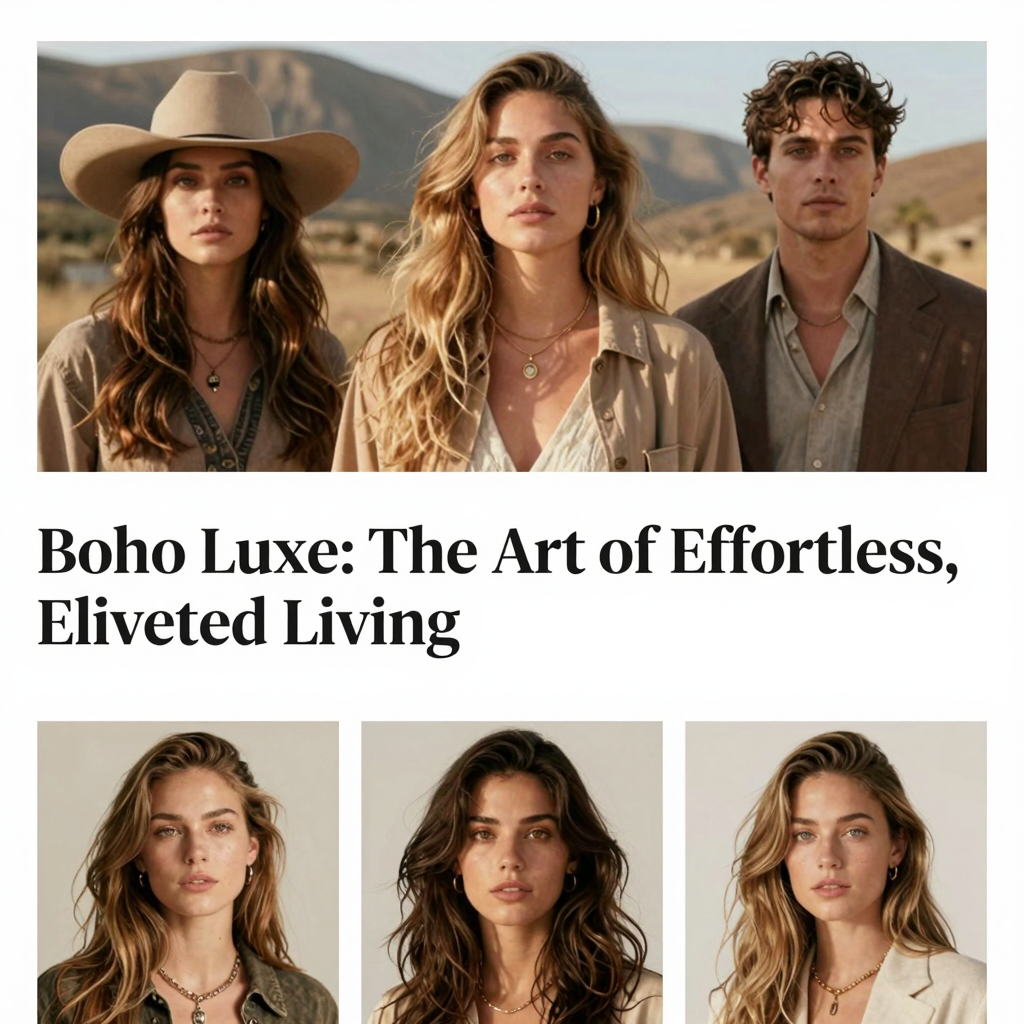
Boho Luxe: The Art of Effortless, Elevated Living
Boho luxe has become one of the most captivating design and lifestyle movements of the past decade. It is the meeting point of two seemingly opposite worlds: the carefree, eclectic spirit of bohemian style and the polished, high-end sensibility of luxury design. The result is a look that feels both deeply personal and quietly opulent — a style that invites you to sink into a velvet chair surrounded by woven textures, natural light, and curated objects from your travels, all while maintaining an air of refined sophistication. Unlike traditional boho decor, which can sometimes lean toward cluttered or overly rustic, boho luxe is intentional. Every layer, every texture, and every object has a purpose. It is not about filling a space with things; it is about curating a space with meaning.
What makes boho luxe so appealing is its versatility. It works in urban apartments, coastal homes, desert retreats, and even modern farmhouses. It appeals to those who love the warmth of natural materials, the softness of layered textiles, and the gleam of subtle metallic accents. It is a style that celebrates imperfection — a handmade ceramic bowl, a slightly faded vintage rug, a piece of driftwood — while pairing those imperfections with clean lines, tailored upholstery, and premium finishes. This balance between rough and refined, old and new, casual and formal is what gives boho luxe its unique character. It is a style that feels lived-in yet elegant, relaxed yet considered.
In this guide, we will explore the origins of boho luxe, break down its essential elements, and show you how to bring this sophisticated take on bohemian living into your home and wardrobe. Whether you are starting from scratch or simply looking to refine your existing space, understanding the principles of boho luxe will help you create environments that are both beautiful and deeply comfortable. The goal is not perfection, but a harmonious blend of texture, tone, and timelessness — a space that tells your story while wrapping you in understated luxury.
What Exactly Is Boho Luxe?
At its core, boho luxe is a design philosophy that fuses the relaxed, unconventional energy of bohemian style with the restraint and quality of luxury aesthetics. Traditional bohemian style draws inspiration from global influences, artistic communities, and a free-spirited approach to living. It celebrates mixed patterns, vintage finds, plants, and handmade crafts. Luxe style, on the other hand, emphasizes premium materials, tailored silhouettes, subtle color palettes, and a sense of polish. Boho luxe takes the best of both: the soulful, collected feel of boho and the elevated, curated precision of luxe.
The term itself has become shorthand for a specific kind of sophisticated ease. Think of a living room with a low-profile, linen-upholstered sofa in a warm ivory tone, piled with textured cushions in mudcloth, boucle, and handwoven cotton. A sculptural brass floor lamp stands beside it, and an oversized vintage rug anchors the space with faded terracotta and dusty rose tones. On the wall, a single piece of abstract art or a woven tapestry adds personality without overwhelming the senses. This is boho luxe: layered, tactile, and warm, yet never chaotic. It is a style that values quality over quantity and stories over trends.
Boho luxe also extends beyond interiors into fashion, hospitality, and lifestyle branding. In fashion, it appears as flowing silk dresses paired with structured leather accessories, or embroidered linen blouses worn with tailored trousers and delicate gold jewelry. In hospitality, boutique hotels and wellness retreats have embraced the style to create environments that feel indulgent yet grounded. The appeal is universal because it speaks to a desire for authenticity and comfort without sacrificing beauty or refinement.
The Evolution from Boho to Boho Luxe
Bohemian style has roots in the 19th-century artistic and literary countercultures of Europe, later revived in the 1960s and 1970s by the hippie movement. That era brought macramé wall hangings, floor cushions, woven rattan furniture, and a free mix of global patterns into the mainstream. In the 1990s and early 2000s, boho style enjoyed another resurgence, often characterized by low seating, beaded curtains, and a profusion of colorful textiles. While beloved by many, that version of boho sometimes lacked visual restraint, leaving spaces feeling busy or dated.
Boho luxe emerged as a natural evolution. As global travel became more accessible and design influences from places like Morocco, Mexico, India, and Scandinavia began to circulate widely, designers started to blend these elements with modern minimalism and high-end materials. The result was a more refined bohemian aesthetic. Rather than simply piling on pattern and color, boho luxe curates those elements against a backdrop of neutral walls, clean architectural lines, and carefully chosen statement pieces. It is a style that honors the past while feeling thoroughly contemporary.
The Core Principles of Boho Luxe Design
Mastering boho luxe requires an understanding of its foundational principles. These are the qualities that distinguish it from other styles and give it that signature blend of ease and elegance. At the heart of the style is contrast — between rough and smooth, matte and shiny, casual and formal. This tension is what creates visual interest and prevents the space from skewing too far in either direction.
- Natural materials with a polished finish: Think raw wood, rattan, cane, jute, and stone paired with brass, marble, or lacquered surfaces. The combination keeps the space grounded yet refined.
- A warm, neutral color palette: Boho luxe typically relies on earthy tones like sand, ivory, clay, terracotta, sage, and warm brown. Accents of muted blush, deep rust, or olive add depth without overwhelming.
- Layered textures: The magic of boho luxe lies in its layers. Combine linen, velvet, wool, leather, sheepskin, boucle, and handwoven textiles to create a rich sensory experience.
- Curated global accents: A few meaningful pieces — a Moroccan wedding blanket, a carved wooden bowl from Bali, or a vintage ceramic vase — add character and a sense of history.
- Intentional negative space: Unlike traditional boho, boho luxe leaves room to breathe. Not every surface needs to be filled. This restraint is what elevates the aesthetic.
- Organic shapes and soft lines: Curved sofas, round mirrors, arch-shaped details, and sculptural lighting soften the look and make it feel inviting.
- Subtle metallic warmth: Brass, aged bronze, and soft gold accents add a touch of luxury without being flashy.
These principles work together to create a space that feels collected over time rather than decorated in a single afternoon. The goal is not to match everything perfectly, but to create a cohesive narrative through materials, tones, and textures. A chunky knit throw may sit next to a sleek marble side table, and that contrast is precisely what makes the room feel dynamic and sophisticated.
How to Create a Boho Luxe Living Room
The living room is often the heart of the home, and it is the perfect place to experiment with boho luxe. The key is to start with a solid foundation and build layers from there. Begin with a comfortable, well-proportioned sofa in a neutral upholstery fabric like linen, performance velvet, or a soft boucle. This piece should feel luxurious to the touch but not overly formal. Its clean lines will anchor the more organic and textural elements you add around it.
Next, add a rug that introduces warmth and pattern. A vintage-inspired area rug with faded motifs, an overdyed Turkish rug, or a handwoven jute rug layered under a smaller patterned piece can create depth. The rug is often the largest source of pattern in a boho luxe room, so choose one that complements your overall palette and adds just the right amount of visual interest without competing with other elements.
Color Palette: Earthy Tones and Metallic Accents
Color is one of the most important tools in boho luxe design. The palette should feel grounded and serene, drawing from the natural world. Start with a base of warm whites, soft beiges, and pale greiges on walls and larger furniture pieces. Then introduce mid-tones like terracotta, camel, olive, and dusty rose through textiles, artwork, and accessories. Deeper accents — charcoal, espresso, or burnt orange — can be used sparingly to add contrast and sophistication.
Metallic accents play a crucial role in elevating the space. Brass, antique gold, and aged bronze introduce a subtle gleam that catches the light and adds a sense of luxury. Consider a brass floor lamp, a hammered metal tray, or a sculptural gold-framed mirror. The metallic elements should feel integrated rather than overtly shiny. Aged or matte finishes often work best, as they contribute to the collected, lived-in quality of the style.
Furniture Selection: Curves and Character
Furniture in a boho luxe home should feel inviting and substantial, but never heavy. Look for pieces with soft curves, rounded edges, and organic silhouettes. A curved sofa or a pair of barrel-backed chairs can instantly soften a room and create a sense of flow. Avoid anything too angular or starkly modern, as sharp lines can disrupt the relaxed atmosphere you are trying to cultivate.
Incorporate natural materials whenever possible. A live-edge wood coffee table, a rattan side chair, or a carved oak console adds warmth and texture. Balance these more rustic pieces with something refined — a polished stone side table, a lacquered tray, or a sleek marble lamp base. This interplay between organic and polished is the essence of boho luxe. When selecting furniture, consider the story behind each piece. Handcrafted items, vintage finds, and family heirlooms bring a depth that mass-produced furniture cannot replicate.
Textiles and Layers: The Secret to Comfort
Textiles are the soul of boho luxe. They soften hard surfaces, add visual depth, and make a space feel enveloping and comfortable. The key is to layer different materials, patterns, and textures in a way that feels curated rather than cluttered. Start with larger pieces — a wool or jute rug, a linen slipcovered sofa, or floor-length linen curtains — and build from there.
Add throw pillows in a mix of fabrics: velvet, boucle, handwoven cotton, mudcloth, and embroidered linen. Don’t be afraid to mix patterns, but keep the color palette cohesive. A subtle stripe can sit next to a small-scale geometric or a faded floral, as long as the tones are harmonious. Drape a chunky knit throw or a soft wool blanket over the arm of the sofa or a chair. Layer a sheepskin or faux fur over a bench or floor for extra warmth. The goal is to create a space that begs to be touched and lingered in.
Boho Luxe in the Bedroom: A Serene Retreat
The bedroom is an ideal place to embrace boho luxe’s calming, sanctuary-like qualities. Start with the bed itself. Opt for a low-profile platform bed or a simple upholstered headboard in a natural linen or soft velvet. Layer the bedding with high-quality fabrics — crisp cotton sheets, a linen duvet, and a lightweight quilt or coverlet in a warm neutral tone. The bed should look and feel inviting, like a cloud of soft textures.
Above the bed, consider a statement piece that adds personality without overwhelming the space. A large woven wall hanging, a set of framed abstract prints, or a round cane mirror can serve as a focal point. Keep the rest of the walls relatively calm to maintain a restful atmosphere. Add bedside tables in natural wood or rattan, and top them with sculptural lamps that cast a warm, flattering glow. A small stack of books, a ceramic dish for jewelry, and a single branch or dried stem in a vase are all you need to complete the look.
Dress the windows in soft, flowing fabrics. Linen or cotton curtains that pool slightly on the floor add a sense of ease and romance. If privacy allows, sheer curtains can filter light beautifully during the day. At night, consider layered lighting: a pair of wall-mounted sconces, a floor lamp in the corner, and a candle or two on a dresser. The goal is to create a space that feels like a retreat from the outside world — calm, comfortable, and quietly luxurious.
Boho Luxe Fashion and Lifestyle
Boho luxe is not limited to interiors. The same principles can be applied to personal style and daily living. In fashion, boho luxe combines relaxed, flowing silhouettes with structured, high-quality pieces. Think of a silk maxi dress paired with a tailored blazer, or wide-leg linen trousers worn with a fitted cashmere sweater and delicate gold jewelry. Footwear might include buttery leather sandals, suede ankle boots, or minimalist sneakers that keep the look grounded.
Accessories play a key role in boho luxe fashion. Choose pieces that feel artisanal and personal — a handwoven leather bag, a vintage-inspired pendant necklace, layered rings in mixed metals, or a silk scarf in a muted geometric print. The goal is to mix high and low, old and new. A vintage denim jacket can be thrown over a silk slip dress, or a hand-embroidered blouse can be paired with tailored trousers and a structured leather belt. The look is polished but never stiff, creative but never costume-like.
In lifestyle terms, boho luxe is about cultivating a sense of everyday ritual and intentionality. It might mean starting your morning with a cup of tea in a hand-thrown ceramic mug, filling your home with fresh eucalyptus or dried grasses, or choosing natural materials and sustainable products that align with your values. It is a mindset that values quality, craftsmanship, and the beauty of imperfection. These small choices add up to a life that feels more grounded, more beautiful, and more deeply connected to the world around you.
Common Mistakes to Avoid
While boho luxe is a forgiving and personal style, there are a few common missteps that can push a space or outfit from sophisticated to sloppy. Avoiding these pitfalls will help you achieve the polished, curated look that defines the aesthetic.
- Too much clutter: Boho style often celebrates collections, but boho luxe requires restraint. Edit your objects and leave some surfaces clear to let individual pieces shine.
- Ignoring scale and proportion: Mixing too many small items can make a space feel chaotic. Make sure you have at least one or two substantial anchor pieces, such as a large rug, a statement sofa, or a bold piece of art.
- Overdoing the metallics: A little gleam goes a long way. Stick to one or two metallic finishes and repeat them sparingly throughout the space to maintain cohesion.
- Relying on mass-produced boho clichés: Avoid filling a room with generic macramé, dreamcatchers, or faux plants. Instead, seek out handmade, vintage, or artisanal pieces that have real character.
- Neglecting comfort: Boho luxe should be livable. A space that looks beautiful but is not comfortable to sit, lounge, or sleep in misses the point entirely.
- Forgetting the power of negative space: Resist the urge to cover every wall and surface. Empty space allows the eye to rest and makes the curated pieces stand out more.
Bringing Boho Luxe Into Every Room of Your Home
Once you understand the principles, you can apply boho luxe to any room. In the dining room, pair a rustic wood table with sculptural chairs in velvet or leather. Hang a statement pendant light in natural rattan or aged brass, and add a large ceramic vase filled with dried branches or fresh greenery. In the kitchen, swap basic hardware for matte brass or leather pulls, display handmade pottery on open shelves, and add woven baskets for storage. A runner in a faded vintage pattern can soften the space and add warmth.
In the bathroom, boho luxe translates to natural stone, warm wood vanities, and plush textiles. Use a jute or washable rug, hang a round mirror in a brass frame, and store toiletries in amber glass bottles or ceramic containers. Add a eucalyptus bundle to the shower for a spa-like touch. Even the entryway can benefit from the style: a simple bench in natural wood, a woven basket for shoes, a textured wall hanging, and a brass or ceramic lamp can create a welcoming first impression.
The beauty of boho luxe is that it can be adapted to any environment and any budget. You do not need to buy everything at once or spend a fortune on designer pieces. Start with what you have, edit ruthlessly, and add layers slowly. Focus on natural materials, a cohesive palette, and pieces that have meaning to you. Over time, your home will become a reflection of your personal style — a space that feels both elevated and deeply comfortable.
Conclusion
Boho luxe is more than just a design trend — it is a way of living that celebrates the balance between freedom and refinement, comfort and beauty, authenticity and elegance. By blending natural textures, warm earthy tones, curated global pieces, and subtle metallic accents, you can create spaces that feel collected, personal, and quietly luxurious. The key is to embrace contrasts and trust your instincts. Let the style evolve organically, adding pieces that speak to you and editing out anything that feels forced or unnecessary.
Whether you are transforming your living room, refreshing your wardrobe, or simply seeking more intentionality in your daily rituals, boho luxe offers a path to a more beautiful and meaningful life. It reminds us that true luxury is not about excess or perfection, but about the quality of our materials, the depth of our stories, and the comfort we create for ourselves and those we love. So light a candle, drape a soft throw over your favorite chair, and settle into the art of effortless, elevated living.
-
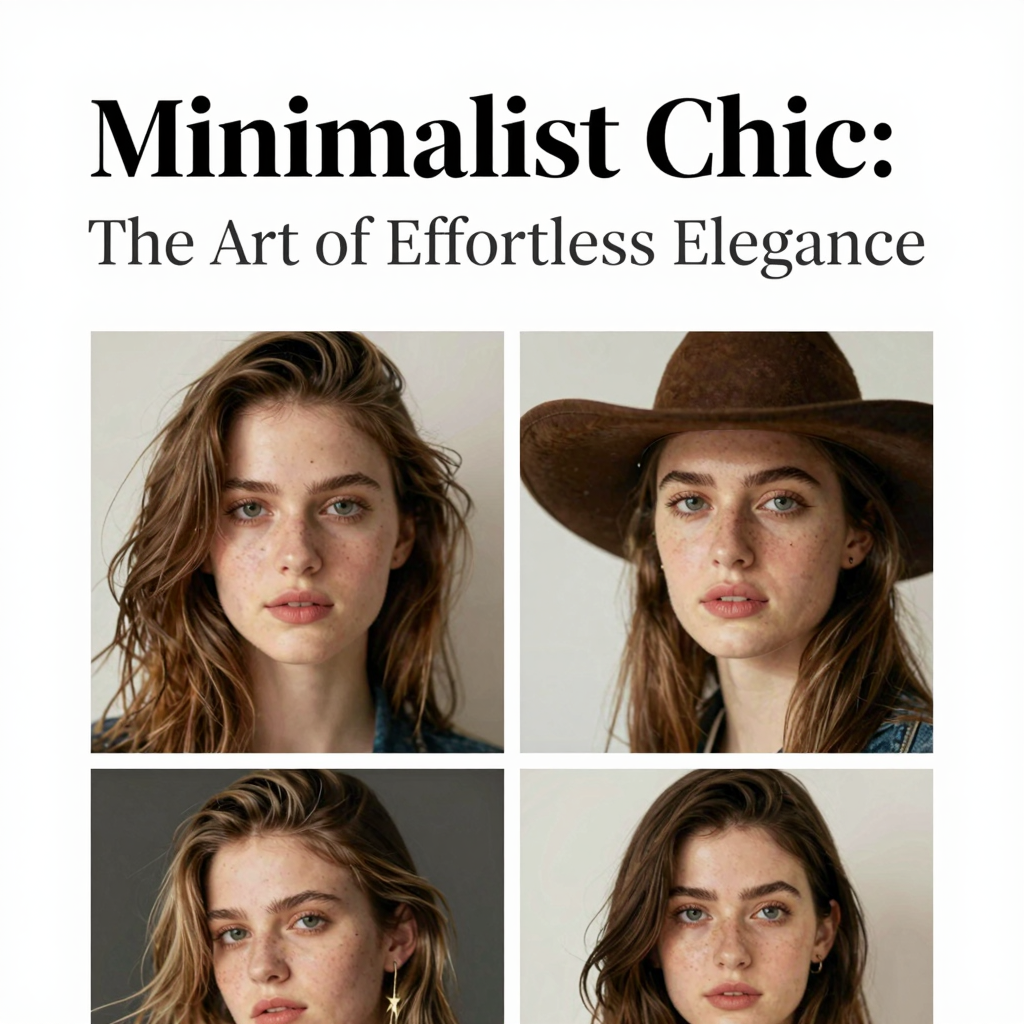
Minimalist Chic: The Art of Effortless Elegance
In a world saturated with constant noise, overwhelming choices, and the pressure to accumulate more, minimalist chic has emerged as a breath of fresh air. It is not merely an aesthetic trend that fades with the season; it is a philosophy, a way of living that celebrates intentionality, clarity, and quiet confidence. Minimalist chic combines the clean lines of minimalism with the warmth, texture, and sophistication of high-end design, resulting in spaces and wardrobes that feel both luxurious and livable. At its core, this style is about stripping away the unnecessary to reveal the essential, allowing quality, craftsmanship, and personal expression to take center stage.
The beauty of minimalist chic lies in its accessibility. You do not need a sprawling penthouse or an unlimited budget to embrace this lifestyle. Instead, it asks you to rethink your relationship with your possessions, your time, and your environment. It encourages you to invest in fewer, better things, to appreciate negative space, and to find joy in the subtle details that often go unnoticed. Whether you are refining your wardrobe, redesigning your living room, or simply seeking a calmer daily routine, minimalist chic offers a timeless framework for creating a life that feels both elegant and deeply satisfying.
This article explores the foundational principles of minimalist chic, practical strategies for applying it to your wardrobe and home, and the common pitfalls to avoid along the way. By the end, you will understand that minimalist chic is not about deprivation or cold sterility. Rather, it is a celebration of the essential, a commitment to authenticity, and an invitation to live with more grace and less excess. Let us begin the journey toward effortless elegance.
What Is Minimalist Chic?
Minimalist chic sits at the intersection of two powerful design movements. Minimalism, as a philosophy, emphasizes function, simplicity, and the removal of superfluous elements. Chic, on the other hand, brings a sense of fashionable sophistication, polish, and effortless appeal. When combined, these concepts create a style that is uncluttered yet warm, structured yet inviting, and restrained yet expressive. Minimalist chic is the art of making a strong statement through subtlety.
Unlike stark minimalism, which can sometimes feel cold or industrial, minimalist chic introduces organic textures, soft neutral palettes, and carefully chosen statement pieces. It values the beauty of natural materials such as linen, wool, oak, marble, and clay. The goal is not to live with as little as possible, but to live with exactly what serves you, presented in a way that feels cohesive and refined. Every object, garment, or piece of furniture earns its place through a combination of function and aesthetic value.
The Core Principles of Minimalist Chic
Understanding the underlying principles of minimalist chic is essential before you begin decluttering your closet or redesigning your home. These principles serve as a compass, guiding your decisions and helping you avoid the trap of simply replacing one set of clutter with another.
1. Less but Better
This principle, often attributed to the German industrial designer Dieter Rams, is the heartbeat of minimalist chic. It means prioritizing quality over quantity in every aspect of your life. Instead of owning ten mediocre sweaters, you invest in two or three impeccably made pieces that fit beautifully and last for years. Instead of filling your shelves with mass-produced trinkets, you select one handcrafted ceramic vessel that brings genuine pleasure every time you look at it. The focus shifts from accumulation to curation.
Adopting a “less but better” mindset requires patience and discipline. It means saving for the best version of an item rather than settling for an immediate, lower-quality alternative. In the long run, this approach is more sustainable, both financially and environmentally. You buy less frequently, but when you do buy, you choose objects that hold their value and bring lasting satisfaction.
2. A Neutral Palette with Intentional Contrast
Color plays a pivotal role in minimalist chic. The foundation is typically built on a palette of soft neutrals: warm whites, creams, beiges, taupes, greys, and soft blacks. These hues create a serene backdrop that allows shapes, textures, and proportions to shine. However, minimalist chic does not forbid color. Instead, it uses color with intention. A single olive green throw pillow, a deep burgundy handbag, or a piece of art with a bold navy brushstroke can become a powerful focal point without overwhelming the space.
The key is to avoid visual chaos. If you introduce a brighter accent, keep the rest of the composition calm and unified. In fashion, this might mean pairing a camel wool coat with an all-black outfit. In interior design, it could mean placing a vase of fresh eucalyptus on a white oak dining table. The contrast is deliberate and therefore more impactful.
3. Quality Over Quantity
This principle extends beyond the price tag. Quality in minimalist chic means craftsmanship, durability, and material integrity. It asks you to examine the stitching of a garment, the joinery of a chair, or the weight of a linen curtain. High-quality items age gracefully. A well-made leather bag develops a rich patina over time. A solid wood table tells the story of countless family dinners. These pieces become more beautiful with use, unlike their disposable counterparts, which quickly lose their appeal.
When evaluating quality, ask yourself: Will this item still be useful and beautiful in five, ten, or twenty years? Can it be repaired if damaged? Does the material feel substantial and pleasant to the touch? If the answer is yes, the item is likely a wise addition to a minimalist chic lifestyle. If not, it may be better to leave it behind.
4. Form Meets Function
In a minimalist chic environment, every object serves a purpose, but that purpose does not exclude beauty. The most successful pieces are those in which form and function are inseparable. A sculptural floor lamp illuminates a reading nook while also serving as a work of art. A perfectly balanced chef’s knife makes meal preparation a joy while resting elegantly on a magnetic strip. A chair with clean lines invites you to sit while enhancing the visual rhythm of the room.
This principle encourages you to look for objects that are both practical and aesthetically pleasing. If something is purely decorative but brings you genuine joy, it can still earn its place. However, the goal is to avoid the accumulation of things that are neither useful nor deeply meaningful. Minimalist chic is not about empty surfaces; it is about intentional surfaces.
Building a Minimalist Chic Wardrobe
Your wardrobe is often the first place where minimalist chic becomes tangible. It is a daily canvas for self-expression, and simplifying it can reduce decision fatigue, save money, and elevate your personal style. The goal is not to create a uniform of identical black t-shirts, but to build a versatile collection of pieces that work harmoniously together.
The Capsule Wardrobe Foundation
A capsule wardrobe is a curated collection of essential clothing items that can be mixed and matched to create a wide variety of outfits. For a minimalist chic aesthetic, focus on timeless silhouettes, neutral colors, and high-quality fabrics. The following list provides a strong foundation:
- Outerwear: A tailored wool coat in camel, black, or grey; a classic trench coat; a versatile denim or leather jacket.
- Tops: Crisp white button-down shirts, silk or cotton blouses in neutral tones, fine-knit sweaters, and well-fitted t-shirts in black, white, and grey.
- Bottoms: Tailored trousers in black or charcoal, straight-leg jeans with no distressing, a midi skirt in a fluid fabric, and tailored shorts for warmer months.
- Dresses: A simple slip dress that can be layered, a structured sheath dress, and a knit midi dress for cooler weather.
- Shoes: White leather sneakers, black or nude ballet flats, minimalist loafers, ankle boots with a block heel, and a pair of elegant sandals.
- Bags: A structured leather tote, a small crossbody bag, and a clutch for evenings.
The beauty of this foundation is its flexibility. Nearly every top pairs well with nearly every bottom, and the neutral color palette ensures a cohesive look without much thought. As you become more comfortable, you can introduce a few seasonal accent pieces, such as a printed scarf or a colored sweater, but the core remains consistent.
Fabrics and Silhouettes
The fabrics you choose are just as important as the colors and cuts. Opt for natural, breathable materials such as cotton, linen, silk, wool, cashmere, and Tencel. These fabrics drape beautifully, feel luxurious against the skin, and age well. Avoid synthetic materials that pill, trap heat, or lose their shape after a few washes. While high-quality natural fabrics may require a larger upfront investment, they offer superior comfort and longevity.
In terms of silhouette, minimalist chic favors clean lines and relaxed tailoring. Think oversized blazers, wide-leg trousers, fluid midi dresses, and boxy sweaters. These shapes convey an effortless elegance that is both modern and timeless. Avoid overly tight or fussy garments with excessive ruffles, complicated fastenings, or loud logos. The goal is to let the cut and fabric speak for themselves.
Accessories as Statements
Accessories in a minimalist chic wardrobe are not an afterthought; they are the exclamation point. Because the clothing is intentionally simple, accessories provide an opportunity to express personality. Choose a few high-quality pieces that resonate with you: a delicate gold necklace, a pair of sculptural earrings, a leather belt with a distinctive buckle, or a classic watch with a clean dial. The key is restraint. One or two well-chosen accessories are often more powerful than a pile of jewelry.
When selecting accessories, consider their versatility. A silk scarf can be worn around the neck, tied to a handbag, or used as a hair accessory. A minimalist leather backpack can transition from a workday to a weekend market. Every accessory should earn its place by being both beautiful and functional.
Minimalist Chic in Home Décor
The principles of minimalist chic translate beautifully into the home, creating spaces that feel calm, welcoming, and sophisticated. The goal is not to achieve a sterile, museum-like atmosphere, but to design rooms that support your well-being and reflect your personal taste through carefully chosen elements.
Decluttering as a Design Strategy
Before you purchase a single piece of furniture or paint a wall, begin with decluttering. Remove items that are broken, unused, or no longer align with your vision. This process can be emotional, but it is also liberating. Ask yourself: Do I use this? Do I love this? Does it serve a purpose in my daily life? If the answer is no, let it go responsibly by donating, recycling, or selling.
Decluttering is not a one-time event; it is an ongoing practice. Regularly reassess your belongings and resist the urge to fill empty spaces. In minimalist chic design, empty space is not a void to be filled; it is a design element that allows the remaining pieces to breathe and be appreciated. A clear surface can be as beautiful as a carefully styled vignette.
Furniture and Layout
When selecting furniture, look for pieces with clean lines, simple forms, and high-quality materials. Mid-century modern, Scandinavian, and Japanese design aesthetics often align well with minimalist chic. Prioritize natural wood finishes, soft upholstery, and subtle metal accents. Avoid overly ornate or bulky furniture that can make a room feel heavy.
- Living room: A low-profile sofa in a neutral fabric, a single statement armchair, a solid wood coffee table, and a simple media console.
- Bedroom: A platform bed with a simple headboard, matching nightstands, a dresser with clean lines, and soft, layered bedding in white or grey.
- Dining room: A solid wood dining table, upholstered or wooden chairs with simple silhouettes, and a single pendant light above.
- Storage: Built-in shelving, closed cabinets, and woven baskets to keep clutter out of sight.
Pay attention to the layout of each room. Arrange furniture to create a sense of flow and openness. Avoid pushing every piece against the walls; sometimes a floating sofa or a well-placed rug can define a space and add warmth. Leave generous walkways and resist the urge to overfill a room with furniture.
Lighting and Negative Space
Lighting is one of the most powerful tools in minimalist chic design. Natural light should be maximized whenever possible. Use sheer linen curtains that diffuse sunlight and create a soft, airy glow. At night, layer your lighting with a combination of ambient, task, and accent lights. A sculptural floor lamp, a simple table lamp, or a row of warm LED strip lights under a shelf can transform the mood of a room.
Negative space, also known as white space, is the empty area around and between objects. In minimalist chic interiors, negative space is intentional. It gives the eye a place to rest and emphasizes the beauty of the items that remain. Resist the temptation to fill every shelf, every corner, and every wall. Allow a few carefully chosen pieces to stand out against a backdrop of calm.
Minimalist Chic Beauty and Lifestyle
Minimalist chic extends beyond your wardrobe and home into your beauty routine and daily habits. It is about simplifying your life so that you have more time and energy for what truly matters.
Skincare and Makeup
In beauty, minimalist chic translates to a streamlined routine that prioritizes skin health and subtle enhancement. Instead of a ten-step skincare regimen with dozens of products, focus on a few high-quality essentials: a gentle cleanser, a moisturizer suited to your skin type, a broad-spectrum sunscreen, and perhaps a targeted treatment such as a vitamin C serum or retinol. This approach is often more effective and less irritating than layering countless products.
For makeup, the goal is a natural, polished look. A lightweight foundation or tinted moisturizer, a touch of concealer, a neutral cream blush, a swipe of mascara, and a tinted lip balm are often all you need. Choose multi-purpose products that feel comfortable on the skin and enhance your features without masking them. The minimalist chic beauty philosophy celebrates your natural beauty rather than hiding it.
Daily Rituals and Mindset
Minimalist chic is not just about what you own; it is about how you live. Cultivate daily rituals that bring a sense of calm and intention to your life. This might include a quiet morning coffee without your phone, a short walk during your lunch break, or an evening skincare routine that feels like self-care rather than a chore. These small moments of mindfulness anchor your day and help you stay connected to what matters.
Adopting a minimalist chic mindset also means learning to say no to commitments, purchases, and distractions that do not align with your values. It means giving yourself permission to slow down in a culture that glorifies busyness. When you simplify your external environment, you create space for inner clarity. The result is a life that feels less cluttered, more purposeful, and infinitely more elegant.
Common Mistakes to Avoid
As you embrace minimalist chic, be mindful of the common pitfalls that can derail your progress. Awareness of these mistakes will help you stay on track and avoid frustration.
- Mistaking minimalism for emptiness: A truly minimalist chic home is not devoid of personality. It should feel warm, inviting, and reflective of your taste. Do not remove every object; remove the objects that do not serve you.
- Focusing only on aesthetics: Minimalist chic is a lifestyle, not just a look. If you declutter your home but continue to overcommit your time and energy, you will not experience the full benefits.
- Buying everything new at once: The journey toward minimalist chic is gradual. Do not rush out and purchase an entire new wardrobe or furniture set. Instead, make thoughtful decisions over time, allowing your style to evolve naturally.
- Following trends blindly: Minimalist chic is timeless, but it can be tempting to chase the latest “minimalist” trend on social media. Stay true to your own needs and preferences rather than copying someone else’s version of the aesthetic.
- Ignoring comfort: A beautiful chair that is uncomfortable to sit in or a gorgeous pair of shoes that pinch your feet will not bring lasting joy. Function and comfort are essential components of minimalist chic.
How to Start Your Minimalist Chic Journey
Beginning a minimalist chic transformation can feel overwhelming, but small, consistent steps will yield meaningful results. Start with one area of your life, such as your wardrobe or your living room, and commit to a thoughtful process.
- Assess: Take inventory of what you currently own. Sort items into categories and identify what you use, love, and need.
- Declutter: Remove items that no longer serve you. Be honest with yourself about what truly adds value to your life.
- Define your style: Create a visual mood board or list of words that describe the minimalist chic aesthetic you want to achieve. Refer to it when making new purchases.
- Invest wisely: As you replace or add items, prioritize quality over quantity. Save for the best version of an item rather than settling for a cheap substitute.
- Maintain: Regularly reassess your belongings and habits. Minimalist chic is an ongoing practice, not a one-time project.
Conclusion
Minimalist chic is far more than a design trend; it is a powerful response to the excess and chaos of modern life. By embracing the principles of less but better, quality over quantity, and intentional negative space, you can create a wardrobe, a home, and a lifestyle that radiate effortless elegance. The journey requires patience, self-awareness, and a willingness to let go of what no longer serves you, but the rewards are profound: greater clarity, reduced stress, and a deeper appreciation for the things that truly matter.
Remember that minimalist chic is not about perfection. It is about progress, authenticity, and the quiet confidence that comes from living in alignment with your values. Whether you begin with a single drawer or an entire room, every intentional choice brings you closer to a life of refined simplicity. In a world that constantly urges you to want more, minimalist chic offers a graceful alternative: the freedom to want exactly what you have, and to love it deeply.