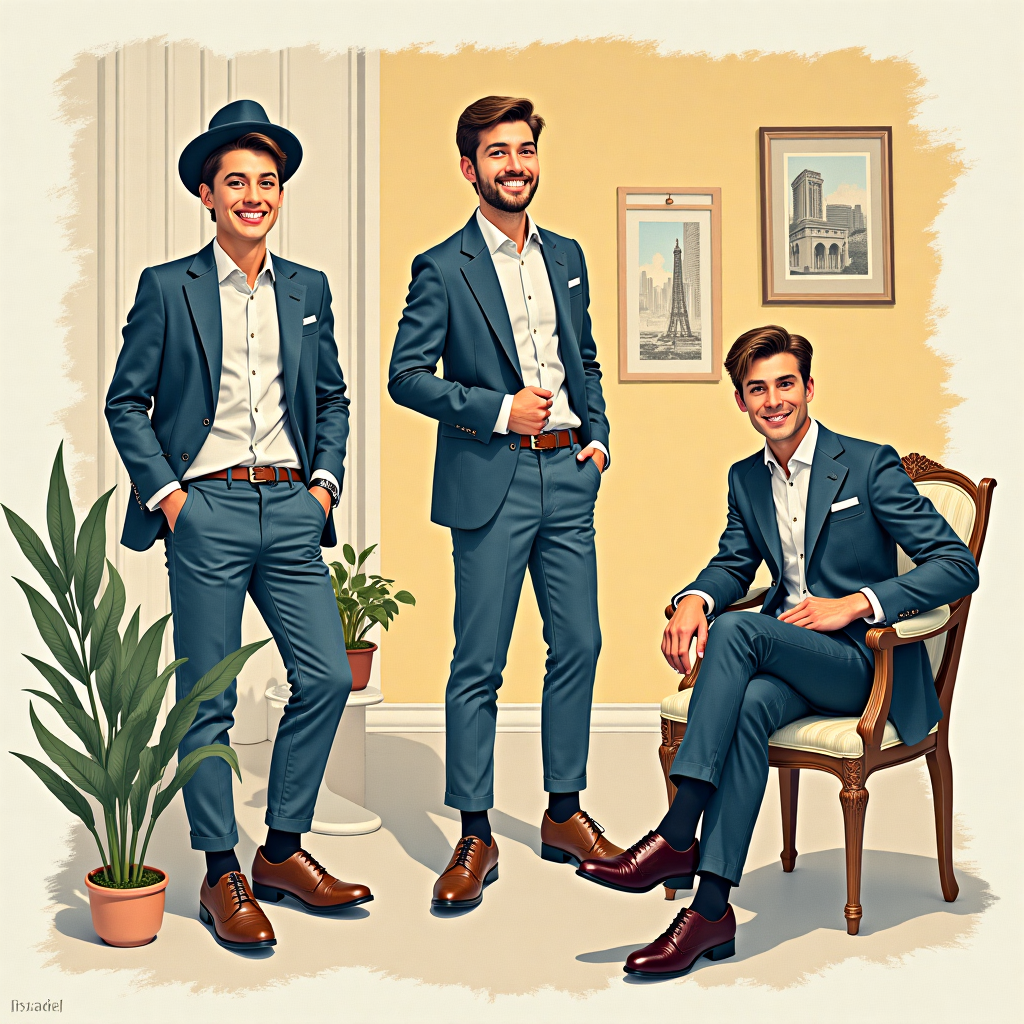
There is a particular kind of sophistication that never shouts, never trends, and never fades. It is the quiet confidence of a well-cut blazer, the soft drape of a cashmere sweater, the unassuming gleam of a family signet ring. This is old-money elegance — a phrase that has moved from the private clubs of the East Coast to the global conversation about style, culture, and class. But old-money elegance is not simply about being wealthy. It is a language of restraint, heritage, and intentional living. In a world saturated with fast fashion, loud logos, and performative luxury, old-money elegance stands as a counterpoint: a reminder that true style is rooted in substance, not spectacle.
Understanding old-money elegance requires us to look beyond the surface. It is not a costume you can buy in a single shopping trip, nor is it a trend dictated by influencers. It is a philosophy that shapes how you dress, speak, furnish your home, and treat others. It values longevity over novelty, craftsmanship over branding, and discretion over display. This article explores the essence of old-money elegance, its sartorial codes, its lifestyle implications, and how anyone can cultivate a sense of timeless refinement without pretending to be something they are not.
What Is Old-Money Elegance?
Old-money elegance refers to the aesthetic and behavioral codes traditionally associated with families whose wealth has been inherited over multiple generations. Unlike new money, which often seeks to broadcast success through visible symbols, old money tends to favor privacy, continuity, and understatement. The homes are often older, the clothing well-worn but impeccably maintained, and the social calendar revolves around family, education, and philanthropy rather than public spectacle. The elegance is not in the price tag, but in the absence of effort — or rather, the appearance of effortlessness achieved through years of ingrained habit.
At its core, old-money elegance is about editing. It is the deliberate act of choosing fewer, better things and then living with them long enough that they become part of one’s identity. A weathered leather briefcase, a pair of loafers resoled three times, a wristwatch inherited from a grandfather — these items carry stories. They are not discarded at the end of a season. This relationship with material possessions is fundamentally different from the cycle of constant consumption that defines modern consumer culture. Old-money elegance asks: What is worth keeping? And the answer is always quality, meaning, and permanence.
It is important to note that old-money elegance is not necessarily about being rich. Many people who admire or embody the aesthetic may never have a trust fund. What they share is a set of values: respect for tradition, appreciation for craftsmanship, a preference for subtlety, and a rejection of ostentation. In this sense, old-money elegance is accessible to anyone willing to slow down, think carefully, and invest in fewer things of greater value.
The Philosophy: Understatement Over Excess
If there is one principle that defines old-money elegance, it is understatement. The old-money aesthetic is built on the idea that confidence does not need to announce itself. A person who is truly secure does not require logos to prove their worth. This is why quiet luxury — a term closely related to old-money style — favors garments with no visible branding. The quality speaks through the fabric, the fit, and the way the garment moves. When you wear a beautifully tailored navy blazer made from English wool, there is no need for a monogram on the chest. The object itself is enough.
This philosophy extends beyond clothing. In conversation, old-money elegance favors listening over dominating. In home décor, it favors patina over perfection. In gift-giving, it favors thoughtful, personal items over expensive showpieces. The underlying logic is the same: excess is a form of insecurity. When you need to display wealth, you reveal a dependence on external validation. Old-money elegance, by contrast, operates from a place of internal assurance. It is the difference between a room painted in loud gold and a room with faded Oriental rugs and well-loved leather chairs. One asks for attention; the other simply exists, comfortable in its own history.
This is not to say that old-money elegance is boring or lacking in personality. On the contrary, it allows for deep individual expression within a framework of restraint. A single piece of heirloom jewelry, a distinctive family tartan, a well-chosen first edition book — these details reveal character in ways that a wall of designer shopping bags never could. The elegance lies in the curation, not the accumulation.
Wardrobe Essentials for Old-Money Elegance
The old-money wardrobe is not large, but it is deliberate. It is built around pieces that transcend seasons and trends. The goal is to create a uniform of quiet confidence that can be worn for years, even decades. Below are the foundational elements of an old-money-inspired wardrobe.
Tailoring and Fit
Nothing undermines old-money elegance faster than ill-fitting clothing. The old-money wardrobe prioritizes tailoring above all else. A relatively inexpensive blazer that has been altered to fit your shoulders, waist, and sleeve length will always look more elegant than a designer jacket that hangs poorly. Historically, old-money families did not necessarily buy more clothes than anyone else; they simply had them made or altered to fit perfectly. Today, you can achieve the same effect by developing a relationship with a good tailor and buying fewer pieces that are worth altering.
For men, the core tailored pieces include a navy blazer, a charcoal or grey suit, and well-cut trousers in wool or cotton. For women, the equivalents might be a tailored blazer, a sheath dress, and trousers with a clean line. The key is proportion. Old-money elegance avoids anything too tight or too loose. The silhouette should skim the body, allowing ease of movement without appearing sloppy. Shoulders should lie flat, hems should break cleanly, and collars should sit properly. This attention to fit signals respect for oneself and for the occasion.
The Color Palette
Old-money style is famously restrained in color. The palette draws heavily from nature and tradition: navy, cream, camel, olive, burgundy, forest green, charcoal, and brown. These colors are flattering, versatile, and unlikely to look dated. They also pair easily with one another, which simplifies the process of getting dressed. A navy blazer over a cream sweater, camel trousers, and brown suede loafers is a quintessential old-money outfit for both men and women. The look is cohesive without being matchy, polished without being stiff.
Prints are used sparingly. If patterns appear, they are likely to be classic: a subtle herringbone, a muted plaid, a delicate stripe, or a foulard tie. The old-money aesthetic avoids loud logos, neon hues, and anything that could be described as “statement.” Instead, it relies on texture and quality to create visual interest. A cashmere crewneck in oatmeal, a tweed jacket with a barely visible windowpane, a silk scarf in a faded equestrian print — these are the details that elevate an outfit without shouting.
Fabric and Quality
Fabric is the soul of old-money elegance. The preference is for natural materials that age beautifully: wool, cashmere, cotton, linen, silk, and leather. These materials breathe, drape well, and develop a patina over time. They may require more care than synthetics, but they reward that care with longevity. An old-money wardrobe is not replaced each season; it is maintained, repaired, and handed down. A good cashmere sweater, properly stored and occasionally de-pilled, can last a decade or more. A pair of leather loafers can be resoled for years.
Look for fabrics with weight and substance. A heavy cotton oxford shirt will outlast a flimsy poplin. A dense wool flannel trouser will hold its shape better than a thin blend. In outerwear, a waxed cotton jacket or a quilted vest offers practicality and heritage. In knitwear, a lambswool or cashmere crewneck in a neutral shade is a cornerstone. The tactile quality of these materials is part of the pleasure of dressing. Old-money elegance is not about denying comfort; it is about finding comfort in quality rather than in sloppiness.
Key Pieces for Men and Women
While old-money style is not strictly gendered, there are certain pieces that recur in the wardrobes of those who embody the aesthetic. Consider the following list as a starting point:
- The Navy Blazer: A single-breasted, two-button blazer in wool, with or without brass buttons. It is the workhorse of old-money style, equally at home with jeans or tailored trousers.
- The Button-Down Oxford Shirt: Preferably in white, blue, or pink. The oxford cloth button-down is a nod to Ivy League heritage and looks better the more it is washed.
- The Cashmere Crewneck: In camel, navy, or grey. It can be draped over the shoulders or worn alone.
- The Trench Coat: A classic beige trench in cotton gabardine. It is practical, elegant, and never goes out of style.
- The Loafers: Penny loafers in brown or black leather, or suede for warmer months. They are the bridge between casual and formal.
- The Silk Scarf: For women especially, a small silk scarf tied at the neck or on a handbag adds a whisper of heritage.
- The Sheath Dress: For women, a simple knee-length dress in a solid color or subtle pattern, worn with low heels and a structured bag.
- The Signet Ring or Family Crest: A small heirloom piece that carries personal meaning, worn discreetly.
Grooming and Accessories
Old-money elegance extends to grooming and accessories, where the same principles of restraint and maintenance apply. Hair is neat but not overly styled. For men, a classic short back and sides or a naturally combed look is more in keeping than an elaborate fade or extreme length. For women, hair is often simple — a low ponytail, a neat bob, or hair worn down with a natural wave. The goal is polish without perfection. Overly styled hair can look as try-hard as an over-logoed handbag.
Accessories are chosen for function and heritage rather than flash. A leather belt should match the shoes. A wristwatch should be understated — think a simple round face, a leather or stainless steel band, and no diamonds or excessive complications. A family signet ring, a strand of pearls, or a small pair of gold hoop earrings can be worn daily. The rule is simple: if an accessory draws attention for its logo or size, it is probably too much. Accessories should complement, not dominate.
Footwear is especially important. Old-money elegance favors well-maintained leather shoes with classic lines. For men, oxfords, derbies, and penny loafers in brown or black are staples. For women, a low block heel, a ballet flat, or a leather riding boot works beautifully. Sneakers are acceptable in casual settings, but they tend to be simple, clean, and unbranded — a white leather court shoe or a classic canvas style. The condition of shoes speaks volumes. Scuffed, worn heels undermine an otherwise elegant outfit, while polished shoes signal care and self-respect.
Home and Lifestyle: Elegance Beyond Fashion
Old-money elegance is not confined to the wardrobe. It is a way of living that values comfort, history, and authenticity in the home and daily routines. The old-money home is rarely a showplace. It is a place of lived-in beauty: faded Persian rugs, oil paintings of ancestors, bookshelves filled with well-read volumes, and furniture that has been repaired rather than replaced. There is a sense of continuity — the dining table may have been used for three generations, the silver may be slightly tarnished, the armchair may bear the imprint of its owner. These imperfections are not flaws; they are evidence of a life fully lived.
Entertaining in the old-money style is similarly relaxed and meaningful. Dinner parties are not about impressing guests with elaborate centerpieces or rare ingredients. They are about good conversation, simple but well-prepared food, and a table set with care. A dinner of roast chicken, seasonal vegetables, and a good but not ostentatious wine is far more elegant than a multi-course spectacle designed to display wealth. The host or hostess is calm, attentive, and present. The emphasis is on connection, not performance.
Leisure pursuits also reflect old-money values. Many old-money families have ties to country life: riding, shooting, sailing, gardening, and walking. These activities require a certain kind of wardrobe — Barbour jackets, quilted vests, tweed caps, wellington boots — that has become part of the old-money aesthetic. But more importantly, they reflect a relationship with the natural world and with tradition. Old-money elegance is grounded in the land, the seasons, and the rhythms of rural life. Even if you live in a city, you can cultivate this by valuing walks, gardens, and time outdoors as part of a balanced life.
Old-Money Etiquette and Manners
Perhaps the most overlooked aspect of old-money elegance is manners. True elegance is not just about how you look; it is about how you make others feel. Old-money etiquette is rooted in consideration, discretion, and respect for others. It is not about rigid rules or social climbing. It is about making people comfortable, listening attentively, and never embarrassing others. In conversation, old-money elegance avoids discussing money, status, or personal achievements. It favors curiosity, humility, and a genuine interest in the other person.
This kind of etiquette extends to the small, everyday courtesies: arriving on time, sending thank-you notes, dressing appropriately for the occasion, and treating service staff with respect. These behaviors signal an awareness that one is not the center of the universe. They are the opposite of entitlement. A person with old-money elegance does not need to assert their importance because they are secure in it. They can afford to be generous, patient, and kind.
In a world where rudeness is often mistaken for confidence, old-money manners are a quiet form of rebellion. They demonstrate that true strength lies in self-possession, not in dominating others. Whether you are at a formal dinner or a casual coffee, the way you treat others is a more accurate measure of elegance than any outfit.
How to Cultivate Old-Money Elegance Today
Cultivating old-money elegance is less about spending money and more about changing your relationship with consumption and self-presentation. Begin by editing your wardrobe. Remove items that are worn out, ill-fitting, or excessively trendy. Keep the pieces that are well-made, versatile, and in colors that flatter you. Build a small collection of quality basics, and commit to wearing them repeatedly. Over time, you will find that getting dressed becomes easier and more enjoyable.
Next, invest in tailoring. Take your favorite garments to a tailor and have them adjusted to fit your body. This single step can transform a mediocre wardrobe into an elegant one. When shopping, prioritize natural fabrics and classic silhouettes. Avoid anything with visible logos or exaggerated proportions. Ask yourself whether a piece will still look good in five years. If the answer is no, leave it behind.
Beyond clothing, cultivate old-money elegance through your habits. Read widely. Learn about art, history, and literature. Develop your conversation skills by listening more than you speak. Practice discretion — not everything needs to be posted on social media. Spend time in nature. Learn to appreciate quiet moments. Entertain friends with simple meals and genuine warmth. These practices will shape your character, and character is the foundation of true elegance.
Common Mistakes to Avoid
Many people misunderstand old-money elegance and end up with a costume rather than a personal style. The first mistake is over-accessorizing. Piling on pearls, signet rings, and headbands in an attempt to look “old money” is counterproductive. Old-money style is spare. Choose one or two meaningful accessories and let them breathe. The second mistake is wearing brand logos. A Gucci belt with a giant buckle is the antithesis of quiet luxury. If you want to signal discernment, let the quality of the materials do the talking.
Another common mistake is neglecting fit. Buying expensive clothes and wearing them off the rack without alteration is a wasted opportunity. A tailored $80 blazer will always look better than an untailored $800 blazer. Similarly, avoid overly trendy silhouettes. The old-money aesthetic is not about following fashion week; it is about staying true to timeless proportions. Finally, do not confuse old-money elegance with snobbery. Looking down on others is never elegant. The true old-money attitude is one of graciousness and humility.
Conclusion
Old-money elegance is not a destination; it is a way of moving through the world. It is the quiet confidence that comes from knowing what you value and refusing to be swayed by the noise of trends. It is the choice to invest in quality rather than quantity, to speak with kindness rather than volume, and to live with a sense of history and purpose. In a culture obsessed with novelty and display, old-money elegance offers an alternative: a life of restraint, refinement, and genuine comfort.
Whether you inherit a family estate or simply a love of well-made things, you can embody this aesthetic. It begins with editing your wardrobe, minding your manners, and slowing down enough to appreciate the patina of a life well lived. Old-money elegance is not about having more; it is about needing less and choosing well. In the end, that is the most luxurious statement of all.
Leave a Reply