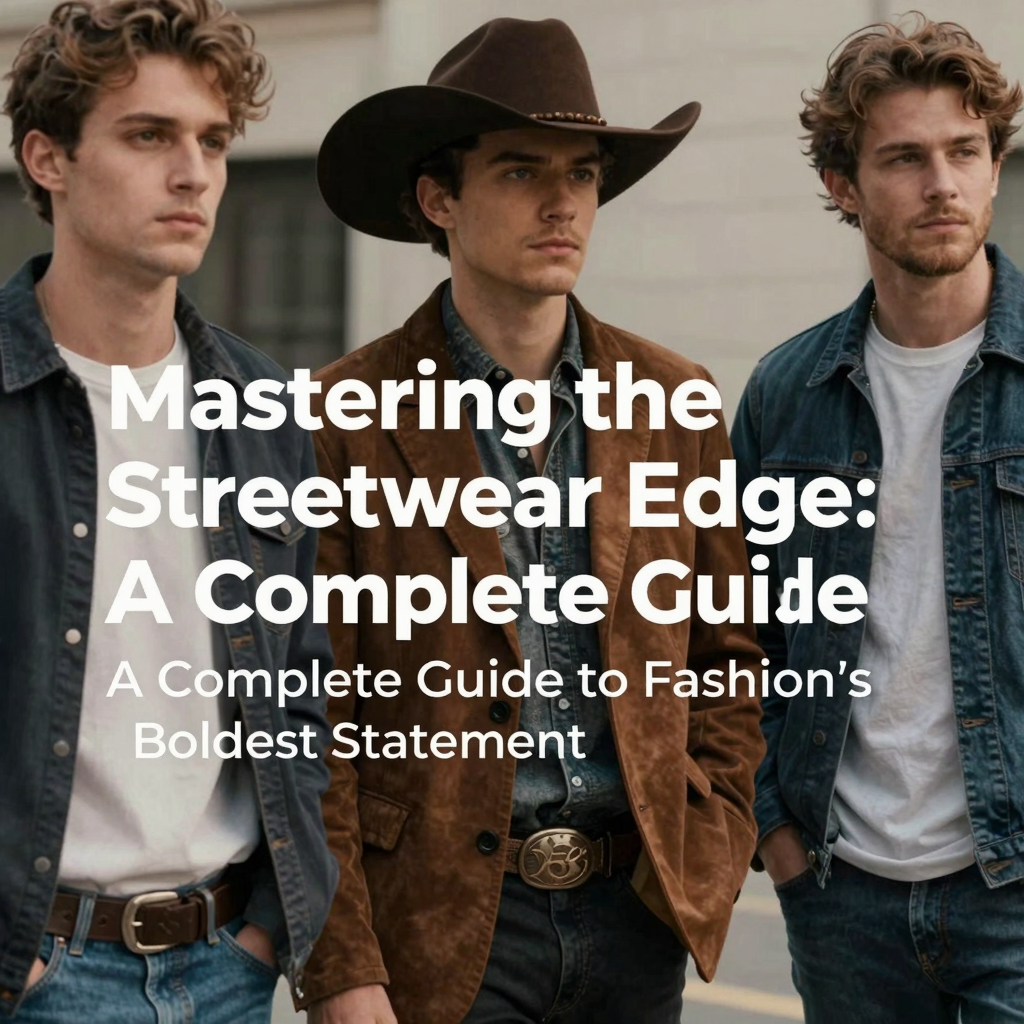
Streetwear has evolved from an underground subculture into one of the most influential forces in global fashion. What began as a blend of skateboarding, hip-hop, surf, and punk aesthetics now drives runway collections, resale markets, and everyday wardrobes around the world. At the center of this movement is the streetwear edge—that unmistakable combination of rebellion, comfort, and high-fashion sensibility that turns a basic outfit into a statement. Understanding how to cultivate the streetwear edge is not simply about buying expensive sneakers or oversized hoodies. It is about learning to balance proportion, texture, color, and attitude in a way that feels both effortless and intentional. For anyone looking to sharpen their personal style, mastering the streetwear edge offers a path to dressing with confidence, creativity, and cultural awareness.
The modern streetwear edge sits at the intersection of luxury and utility. It borrows the grit of city streets, the precision of Japanese design, the nonchalance of skate culture, and the boldness of hip-hop’s golden era. The result is a style that can be relaxed but never sloppy, minimal but never boring, and aggressive but never costume-like. In this guide, we will explore the essential pieces, styling strategies, cultural roots, common mistakes, and future trends that define the streetwear edge. Whether you are building your first capsule wardrobe or refining an already advanced rotation, these insights will help you create looks that command attention without losing authenticity.
What Defines the Streetwear Edge?
The streetwear edge is often misunderstood as simply wearing expensive logo-heavy clothing. In reality, the edge comes from how garments interact with each other and with the wearer. It is an attitude expressed through silhouette, layering, and the subtle tension between polished and raw elements. A sharply tailored trench coat thrown over a distressed graphic hoodie, or a pair of technical cargo pants paired with an elegant knit sweater, creates a visual contrast that feels intellectually sharp. The edge is not about volume or noise; it is about deliberate friction between different fashion languages.
At its core, the streetwear edge thrives on contradiction. It mixes masculine and feminine, oversized and fitted, vintage and futuristic, luxurious and utilitarian. This tension creates depth and prevents outfits from becoming predictable. A well-executed streetwear look often includes one unexpected element that challenges the viewer’s expectations. That element might be an unusual proportion, a rare vintage piece, a high-fashion accessory, or a bold graphic with cultural significance. When these contradictions are handled with confidence, the result is a style that feels genuinely contemporary.
The Core Elements of an Edgy Streetwear Look
To build a strong foundation, it helps to understand the core elements that contribute to the streetwear edge. These are not rigid rules, but recurring principles that appear across the best streetwear outfits:
- Oversized silhouettes: Boxy tees, wide-leg pants, and exaggerated outerwear create a relaxed yet dominant presence.
- Layering: Multiple layers add dimension and allow you to play with length, color blocking, and texture contrast.
- Graphic language: Logos, artwork, band references, and political or cultural statements give clothing a voice.
- Technical fabrics: Nylon, ripstop, Gore-Tex, and performance materials bring a utilitarian, future-forward feel.
- Luxury accents: Premium leather, fine jewelry, or tailored pieces elevate the look beyond basic casual wear.
- Footwear dominance: Sneakers often serve as the focal point, anchoring the entire outfit with color and shape.
- Accessories with intent: Beanies, caps, bags, chains, and sunglasses complete the look and reinforce personality.
Building a Wardrobe with Streetwear Edge
Creating a wardrobe that consistently delivers the streetwear edge requires more than chasing trends. It requires a curated collection of versatile pieces that can be mixed and matched in unexpected ways. Start with a neutral base, then layer in statement items that reflect your personal taste. The goal is to have enough variety to create contrast while maintaining a coherent visual language. A well-built streetwear wardrobe should feel like a toolkit: each piece has a purpose, and the combinations are nearly endless.
When selecting pieces, pay close attention to fabric weight and drape. The streetwear edge often comes from how material falls on the body. Heavy cotton, stiff denim, crisp nylon, and soft knits all behave differently and can transform the same silhouette. For example, an oversized hoodie in heavyweight fleece will hold its shape and look structured, while a lighter cotton version may drape more softly and feel more relaxed. Understanding these subtle differences allows you to control the mood of an outfit.
Essential Pieces for an Edgy Streetwear Wardrobe
- Oversized graphic hoodie: A statement hoodie with a strong graphic or logo is the backbone of streetwear layering.
- Boxy or cropped t-shirt: Heavyweight tees with dropped shoulders create a clean, modern silhouette.
- Wide-leg cargo pants: Utility details, adjustable straps, and roomy cuts add both function and visual interest.
- Straight or baggy denim: Raw or washed denim with a relaxed fit grounds the look in classic streetwear tradition.
- Technical shell jacket: A water-resistant or windproof jacket in black, olive, or grey adds a sleek, performance-driven edge.
- Longline coat or oversized blazer: Tailoring mixed with streetwear creates a high-low contrast that feels sophisticated.
- Statement sneakers: One or two pairs of bold sneakers can define the color palette and energy of your entire wardrobe.
- Minimal accessories: A clean cap, silver chain, and functional crossbody bag are versatile finishing touches.
Layering for Impact
Layering is one of the most powerful tools for achieving the streetwear edge. A simple outfit becomes complex when you add a long tee under a cropped jacket, or a hood under a structured coat. The key is to vary lengths and textures so that each layer is visible and contributes to the overall shape. For example, a white elongated t-shirt peeking out from under a black boxy hoodie adds a crisp line that draws the eye downward. Adding a nylon overshirt or a denim jacket on top creates depth without overwhelming the silhouette.
When layering, consider temperature and proportion. In colder months, a thermal base layer, flannel shirt, hoodie, and puffer vest can create a richly textured look. In warmer weather, lightweight mesh tops, open button-ups, and breathable technical jackets keep the layered effect without overheating. The streetwear edge does not require suffering for fashion; it rewards smart choices that look good and function well.
Styling the Streetwear Edge for Different Contexts
One of the strengths of the streetwear edge is its versatility. With minor adjustments, the same core wardrobe can be styled for casual daytime activities, creative workplaces, or evening events. The key is to modulate the level of formality through fabric choice, tailoring, and accessories. A distressed hoodie and baggy jeans might be perfect for a weekend hangout, but adding a tailored overcoat and clean leather sneakers can make the outfit appropriate for a gallery opening or a creative office.
Casual Daytime Looks
For everyday wear, comfort is paramount, but that does not mean sacrificing edge. Start with a heavyweight graphic tee or hoodie in a muted tone, then add cargo pants or relaxed denim. Choose sneakers with a strong silhouette—chunky, retro, or technical—to anchor the outfit. Keep accessories minimal but intentional: a beanie, a crossbody bag, and a simple chain are enough. The result should look effortless, as if you threw the outfit together in seconds, even if each piece was carefully chosen.
Nightlife and Events
Evening streetwear looks benefit from darker palettes and richer textures. Swap the cotton hoodie for a black leather or wool overshirt, and replace cargo pants with tailored wide-leg trousers. Add a pair of sleek boots or high-end sneakers. A small amount of jewelry—like a signet ring or a pendant necklace—can lift the outfit without making it too flashy. The streetwear edge at night is about quiet confidence and controlled details rather than loud branding.
Creative Workplace Codes
In environments where traditional suiting is not required, the streetwear edge can be adapted into a smart-casual uniform. An oversized blazer over a plain heavyweight tee, paired with clean chinos or cropped trousers, creates a polished look that still feels urban. Choose neutral colors—black, grey, navy, cream—and avoid overly distressed pieces. Footwear should be clean and minimal, such as leather sneakers or low-profile boots. The goal is to look creative and competent without losing the personal edge that defines your style.
Color, Texture, and Graphic Language
Color plays a crucial role in the streetwear edge. While black is often the default choice, the most compelling outfits use color intentionally. Monochrome looks can feel sleek and futuristic, while earth tones and muted pastels add warmth and approachability. Pops of neon or saturated color should be used sparingly to draw attention to a single focal point—a pair of sneakers, a beanie, or a graphic on a tee.
Monochrome and Neutral Palettes
An all-black outfit is a classic streetwear move, but it can fall flat without texture and silhouette contrast. Pair a matte cotton hoodie with shiny nylon pants, or mix a chunky knit with smooth leather. The variation in texture keeps the monochrome look dynamic. Neutral palettes—greys, olives, tans, and off-whites—also work well because they allow layered proportions to stand out without visual noise. These understated tones form the perfect backdrop for a single bold statement piece.
Pops of Color and Graphics
When using bright colors, treat them as accents rather than entire outfits. A neon beanie, a red crossbody bag, or a pair of electric blue sneakers can energize an otherwise muted look. Graphic tees and hoodies also function as color accents, especially when the artwork features a bold palette. The streetwear edge often draws from graphic design, album covers, and artist collaborations, so choose graphics that resonate with your taste and cultural references. Avoid wearing too many competing graphics at once; let one piece speak clearly.
Footwear and Accessories: The Edge Amplifiers
Footwear is arguably the most important element of the streetwear edge. A great pair of sneakers can carry an entire outfit, while the wrong shoes can undermine even the best layering. The current landscape offers endless options, from chunky dad sneakers and retro runners to high-top classics and futuristic technical designs. Choose silhouettes that complement the proportions of your pants. Wide-leg trousers pair well with bulkier shoes, while slimmer pants often look better with low-profile or streamlined sneakers.
Choosing the Right Sneakers
When building a streetwear wardrobe, invest in one versatile neutral sneaker and one bold statement pair. The neutral pair—white, black, or grey—can be worn with nearly everything and will age gracefully. The statement pair can introduce color, texture, or an unusual silhouette. Keep them clean, but do not be afraid of signs of wear; a lightly worn sneaker can add character to a look. The streetwear edge is about lived-in authenticity, not museum-level preservation.
Bags, Hats, and Jewelry
Accessories are the final layer that sharpens the streetwear edge. A functional crossbody bag or technical sling adds both utility and visual interest. Beanies and caps frame the face and can introduce color or branding. Jewelry—such as silver chains, rings, and bracelets—adds a subtle luxury touch that elevates the overall outfit. The key is restraint: choose one or two accessories that feel meaningful rather than piling on everything. A single well-made chain can be more powerful than a wrist full of noise.
The Cultural Roots of Streetwear Edge
Understanding the streetwear edge requires acknowledging its cultural origins. Streetwear emerged from the streets of New York and Los Angeles in the 1980s and 1990s, shaped by skateboarding, hip-hop, punk, and graffiti cultures. Brands like Stüssy and Supreme took inspiration from surf and skate communities, while hip-hop artists used fashion to assert identity, status, and creativity. Japanese designers such as Nigo and Hiroshi Fujiwara later introduced a meticulous attention to detail and quality, bridging the gap between street culture and high fashion.
This history matters because the streetwear edge is not just about looking cool; it is about participating in a visual conversation that spans decades and continents. When you wear a box-logo tee or an oversized hoodie, you are referencing a lineage that includes skate videos, rap performances, and underground magazines. Respecting that lineage means understanding the significance of certain brands, silhouettes, and graphics. It also means supporting authentic creativity rather than simply chasing hype. The most compelling streetwear looks often carry a sense of cultural literacy.
Gender Fluidity and the Modern Streetwear Edge
One of the most exciting developments in contemporary streetwear is its embrace of gender fluidity. Oversized silhouettes, unisex sizing, and androgynous styling have made the streetwear edge accessible to everyone, regardless of gender. A boxy shirt, wide-leg pant, and chunky sneaker look equally striking on different body types. This fluidity allows for greater experimentation and self-expression. The traditional boundaries between menswear and womenswear have blurred, giving rise to a streetwear landscape where personal style matters more than prescribed categories.
For those exploring the streetwear edge, this means you can shop across departments and silhouettes without restriction. A cropped jacket can be layered over a long tunic; a tailored trouser can be paired with a fitted top or an oversized shirt. The focus should be on proportion and balance rather than gender rules. This freedom is central to the forward-thinking spirit of streetwear today.
Sustainability and the Future of Streetwear Edge
As streetwear has grown, so has its environmental impact. The demand for new drops, limited releases, and fast-moving trends has contributed to overconsumption and waste. However, the future of the streetwear edge is increasingly tied to sustainability. Many brands are now using organic cotton, recycled polyester, and deadstock fabrics. Vintage and secondhand shopping has become a core part of the culture, with rare vintage pieces often more respected than brand-new releases.
Building a sustainable streetwear wardrobe means buying less but buying better. Choose high-quality pieces that will last for years, and focus on timeless silhouettes rather than fleeting micro-trends. Thrift stores, online resale platforms, and clothing swaps are excellent ways to find unique pieces with character. The streetwear edge becomes more authentic when it is built thoughtfully over time rather than assembled through impulsive consumption. A well-worn vintage jacket or a pair of sneakers with history can add a depth that no brand-new item can replicate.
Common Mistakes to Avoid
Even experienced dressers can misstep when chasing the streetwear edge. One of the most common mistakes is wearing too many branded pieces at once. Logos can be powerful, but when overused, they create visual clutter and suggest a lack of personal style. Instead of letting one brand dominate your entire outfit, mix high and low, vintage and new, branded and unbranded. This creates a more nuanced look that feels curated rather than purchased.
Another mistake is ignoring proportion. Oversized clothing is a signature of the streetwear edge, but it requires balance. If every piece is oversized, the body can become lost in fabric. Pair a wide pant with a slightly more fitted top, or an oversized jacket with slim or cropped trousers. Pay attention to where garments hit on the body—hems, waistlines, and sleeve lengths all affect the overall silhouette. The goal is to look intentional, not swallowed.
- Over-branding: Avoid wearing competing logos from head to toe; let one graphic or logo be the focal point.
- Ignoring fit entirely: Oversized does not mean ill-fitting; shoulders, length, and drape should still be considered.
- Neglecting footwear: Sneakers can make or break the look, so invest time in choosing the right pair.
- Chasing every trend: The streetwear edge is about personal expression, not copying every viral outfit.
- Forgetting the cultural context: Understand the references behind the pieces you wear.
Conclusion
The streetwear edge is more than a fashion trend; it is a way of thinking about clothing as a medium for self-expression, cultural commentary, and creative experimentation. By mastering the core principles of silhouette, layering, color, and contrast, you can build a wardrobe that feels both timeless and forward-looking. The edge comes not from any single garment but from the deliberate choices you make in combining pieces, balancing proportions, and adding personal touches.
As streetwear continues to evolve, its influence on luxury fashion, sportswear, and everyday dress will only grow. The most stylish individuals are those who understand the roots of the culture, respect its history, and push it into new territory with confidence. Whether you are stepping out in a monochrome layered look or mixing a vintage band tee with tailored trousers, remember that the true streetwear edge is about authenticity. Wear what resonates with you, build your wardrobe with intention, and let your style speak louder than any logo.
Leave a Reply